
Annual Fees£10,950 to £15,950/y
BIMM University
LocationUK
Entry RequirementIELTS 6.0 overall
Visa Success Rate96%
Campus Photos
BIMM University
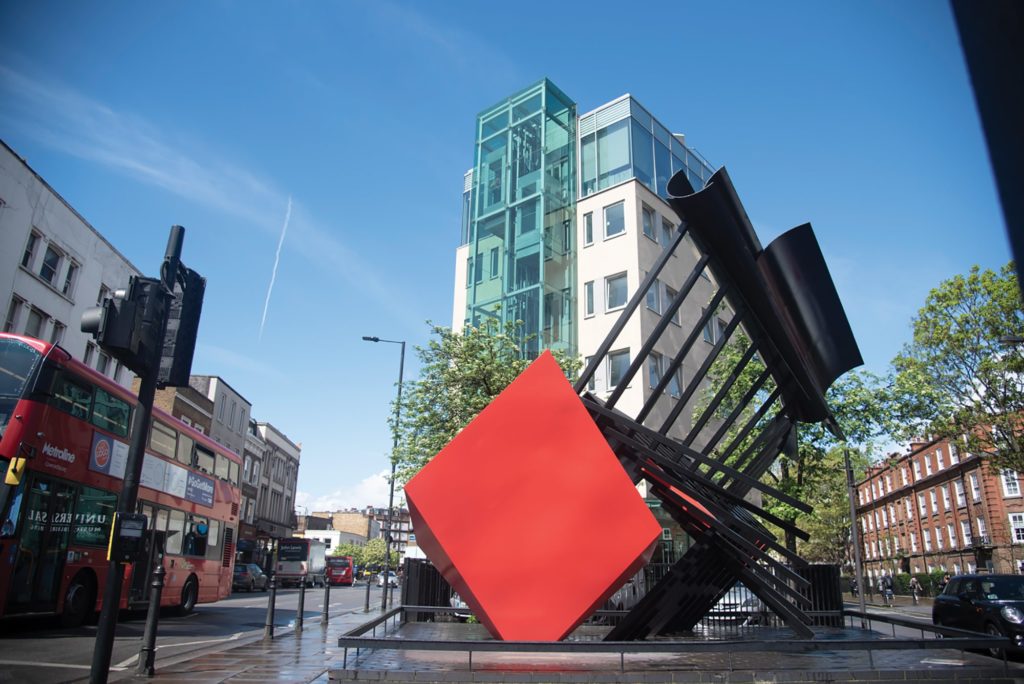
-4.jpg)
-4.jpg)
About BIMM University
BIMM University: Europe's Leading Creative University for Music, Film and Performing Arts
BIMM University is one of Europe's leading specialist universities dedicated to the creative industries. With more than 40 years of experience in creative education, the university has built a strong reputation for preparing students for successful careers in music, filmmaking, performing arts, creative technology, and media. Today, BIMM University educates over 8,000 students across nine campuses in the UK, Ireland, and Germany, creating a vibrant international community where creativity, collaboration, and industry connections come together.
Unlike traditional universities that offer a broad range of academic disciplines, BIMM focuses exclusively on the creative industries. Its programmes are designed in partnership with professionals actively working in music, film, television, gaming, acting, dance, and media, ensuring students gain practical skills that match current industry expectations.
For students who dream of becoming musicians, filmmakers, actors, producers, songwriters, game designers, or creative entrepreneurs, BIMM offers a learning environment where industry experience is integrated into everyday teaching. Rather than simply studying creative subjects, students collaborate with professionals, work on real-world projects, and build professional portfolios throughout their degree.
For Indian students considering creative education in the UK, BIMM provides a unique opportunity to study at a specialist university where employability, creativity, and professional networking are central to the student experience.
What is BIMM University known for?
BIMM University is internationally recognised for its industry-focused education in music, performing arts, filmmaking, creative technology, and media. Through its specialist schools—including BIMM Music Institute, MetFilm School, Performers College, MetStudios, and Northern Ballet School—the university prepares students for careers in the creative industries using industry-standard facilities and teaching from experienced professionals. According to the Graduate Outcomes Survey, 91% of BIMM graduates are in employment or further study within 15 months of graduation.
BIMM University Rankings – Built Around Creative Industry Success
BIMM University follows a different educational model from traditional research universities. Instead of focusing on large-scale academic research, it specialises in preparing students for careers in the creative industries through practical training, professional mentorship, and industry collaboration.
Its reputation is reflected in student feedback and subject-specific recognition. BIMM University was shortlisted for the Whatuni Student Choice Awards 2026 in the Small or Specialist Institution category—an award based entirely on verified student reviews. This recognition highlights the university's commitment to teaching quality, student support, facilities, and career preparation.
In the Complete University Guide 2027, BIMM University is ranked 14th in the UK for Performing Arts, reflecting its strong reputation as a specialist institution for creative education.
Rather than measuring success through global research rankings, BIMM focuses on graduate outcomes, professional skills, and industry readiness. Students benefit from learning environments that closely mirror the industries they plan to enter, helping them build practical experience before graduation.
Why These Rankings Matter
Students interested in music, film, acting, dance, or creative technology should evaluate BIMM differently from traditional universities. Its strengths lie in professional training, creative collaboration, and industry connections rather than broad academic league tables.
Quick Facts
- Specialist creative industries university
- More than 40 years of creative education
- Over 8,000 students
- Students from 60+ countries
- 9 campuses across the UK, Ireland, and Germany
- 91% of graduates in employment or further study within 15 months
- Shortlisted for the Whatuni Student Choice Awards 2026
- Ranked 14th for Performing Arts in the Complete University Guide 2027
Q. Is BIMM University a good university in the UK?
A. Yes. BIMM University is one of the UK's leading specialist universities for creative education. Its strong industry partnerships, experienced lecturers, professional facilities, and excellent graduate outcomes make it an attractive choice for students pursuing careers in music, film, performing arts, and creative technology.
BIMM University Campuses – Study in Europe's Creative Capitals
One of BIMM University's biggest strengths is its network of campuses located in some of Europe's most influential creative cities. Rather than studying in a single location, students have the opportunity to learn in environments surrounded by thriving music scenes, film production companies, theatres, creative agencies, and entertainment businesses.
BIMM campuses are located in London, Brighton, Bristol, Birmingham, Manchester, Dublin, Berlin, and other major creative hubs, giving students direct exposure to industries where many graduates hope to build their careers.
Each campus provides industry-standard recording studios, film production facilities, rehearsal spaces, performance venues, editing suites, creative workspaces, and modern learning environments designed to replicate professional creative settings.
Students also benefit from guest lectures, masterclasses, networking events, live performances, and collaborative projects involving professionals from across the music, film, television, and creative technology sectors.
Whether your ambition is to become a recording artist, filmmaker, actor, music producer, screenwriter, dancer, animator, or creative entrepreneur, studying in these cities provides valuable opportunities to connect with the industry while still completing your degree.
Q. Which BIMM University campus is the best?
A. The best campus depends on your chosen discipline and career goals. London offers access to one of the world's largest creative industries, Manchester and Bristol have thriving music and media sectors, Brighton is known for its creative culture, while Berlin provides an international environment for music, film, and performing arts students.
BIMM University Courses – Learn from Industry Professionals and Build a Creative Career
BIMM University offers a different learning experience from traditional universities. Instead of focusing primarily on lectures and examinations, its programmes are designed around practical projects, creative collaboration, and real industry experience. Students spend much of their time creating, performing, producing, filming, rehearsing, and building professional portfolios that prepare them for careers in the creative industries.
The university brings together several specialist schools, including BIMM Music Institute, MetFilm School, Performers College, MetStudios, and Northern Ballet School, allowing students to specialise in music, filmmaking, acting, dance, creative technology, games, and media production. Every programme is taught by lecturers who have professional experience within their respective industries, ensuring students learn from people actively working in the field.
One of BIMM University's greatest strengths is its emphasis on collaboration. Music students work with filmmakers, actors collaborate with screenwriters, producers partner with performers, and creative technology students contribute to multidisciplinary projects that closely reflect professional creative environments.
Popular Subject Areas at BIMM University
Music & Performance
Popular Music Performance | Songwriting | Music Production | Music Business | Event Management | Drums | Guitar | Vocals | Bass
Students receive practical training through live performances, recording sessions, songwriting workshops, and collaborations with musicians from different disciplines.
Film & Television
Filmmaking | Screenwriting | Film Production | Cinematography | Directing | Editing | Documentary Production
MetFilm School gives students access to professional production equipment, editing suites, industry-standard software, and opportunities to work on real film projects throughout their degree.
Acting & Performing Arts
Acting | Musical Theatre | Dance | Performance | Stage Production
Students develop their skills through rehearsals, live performances, auditions, and productions while receiving coaching from experienced industry professionals.
Creative Technology & Games
Game Design | Games Development | Creative Computing | Digital Media | Virtual Production | Creative Technology
Students explore emerging technologies while learning practical development skills that prepare them for careers in gaming, digital entertainment, and interactive media.
Music Business & Entrepreneurship
Music Marketing | Artist Management | Live Events | Record Label Management | Creative Entrepreneurship
These programmes help students understand the commercial side of the entertainment industry while developing business, leadership, and marketing skills.
Unlike many traditional universities, BIMM places equal importance on building professional portfolios and industry experience alongside academic achievement. By graduation, students often have practical work that demonstrates their abilities to future employers or clients.
Q. What are the best courses at BIMM University?
A. BIMM University is especially recognised for Music Performance, Music Production, Songwriting, Filmmaking, Acting, Musical Theatre, Games Development, Creative Technology, and Music Business. These programmes combine practical training with direct industry involvement, preparing graduates for careers across the global creative sector.
Student Life at BIMM University – Creativity Beyond the Classroom
Student life at BIMM University is shaped by creativity, collaboration, and professional development. Because the university specialises in creative education, students are surrounded by musicians, filmmakers, actors, dancers, designers, producers, and digital creators who share similar ambitions.
The learning environment encourages collaboration across different disciplines. Music students perform in productions created by film students, actors work alongside screenwriters, and creative technology students contribute to multimedia projects. This collaborative culture mirrors how the creative industries operate professionally.
Beyond academic study, students regularly participate in live performances, industry networking events, guest lectures, masterclasses, workshops, showcases, and festivals. These experiences allow students to develop confidence, expand their professional networks, and gain valuable exposure to potential employers.
Facilities & Student Experience
- Professional recording studios
- Film production studios
- Performance theatres
- Dance studios
- Editing suites
- Industry-standard music technology labs
- Creative collaboration spaces
- Student wellbeing services
- Academic support teams
- Career and employability advisers
Each BIMM campus also benefits from being located in a major creative city. Students have opportunities to attend concerts, theatre performances, film festivals, exhibitions, networking events, and industry conferences throughout the academic year.
Studying in creative hubs such as London, Manchester, Brighton, Bristol, or Berlin allows students to become part of vibrant artistic communities while building professional connections that may benefit their future careers.
Q. What is student life like at BIMM University?
A. Student life at BIMM University is creative, collaborative, and industry-focused. Students work alongside aspiring musicians, actors, filmmakers, dancers, and digital creators while gaining practical experience through live projects, performances, networking events, and professional workshops.
Careers & Employability – Preparing Graduates for the Creative Industries
Success in the creative industries depends not only on talent but also on professional skills, industry connections, and practical experience. BIMM University has designed its courses around these realities, helping students develop the knowledge, confidence, and portfolios needed to build sustainable creative careers.
Throughout their studies, students receive guidance from industry professionals who understand current trends, employer expectations, and emerging opportunities within music, film, television, gaming, and performing arts.
The university's Careers and Industry Team supports students through career coaching, portfolio development, audition preparation, networking events, internship opportunities, freelance advice, and employer engagement. Students also benefit from regular guest lectures delivered by successful artists, producers, directors, performers, and creative entrepreneurs.
Many graduates go on to work as performers, producers, filmmakers, actors, sound engineers, music managers, composers, editors, dancers, screenwriters, game developers, and creative business owners.
Career Support Includes
- Personal career coaching
- Portfolio development
- Audition preparation
- Internship opportunities
- Industry networking events
- Masterclasses from professionals
- Freelance career guidance
- Entrepreneurship support
- Alumni mentoring
- Creative business development
Rather than preparing students for a single career path, BIMM encourages graduates to build flexible creative careers that may combine performing, freelancing, entrepreneurship, production, teaching, and collaborative projects throughout their professional lives.
International graduates studying in the UK may also be eligible for the UK's Graduate Route visa, allowing them to gain professional work experience after completing their studies, subject to UK Government immigration regulations.
Q. Does BIMM University have good graduate employability?
A. Yes. BIMM University focuses heavily on employability through practical training, industry partnerships, professional networking, portfolio development, and career coaching. Its graduates work across music, film, television, gaming, theatre, media, and the wider creative industries.
BIMM University Fees – Investing in a Creative Education That Opens Professional Opportunities
Pursuing a career in the creative industries requires more than talent—it requires high-quality training, access to industry-standard facilities, and opportunities to build professional networks. BIMM University combines these elements while offering students a specialist education focused entirely on music, film, performing arts, and creative technology.
Tuition fees vary depending on the programme, level of study, and campus location. Courses requiring specialist studios, production equipment, or performance facilities may have different fee structures. International students should always confirm the latest tuition fees on the official BIMM University website before applying, as fees may change each academic year.
While studying in creative cities such as London may involve higher living expenses, students who choose campuses like Birmingham, Bristol, Brighton, or Manchester may benefit from comparatively lower accommodation and day-to-day costs.
Estimated Tuition Fees for International Students
|
Programme |
Approximate Annual Tuition Fee* |
|
Undergraduate Programmes |
£17,000–£19,500 |
|
Postgraduate Programmes |
£18,000–£21,000 |
|
Specialist Creative Courses |
May vary depending on programme |
*Tuition fees are approximate and subject to change. Students should always verify the latest fee structure directly with BIMM University before submitting their application.
Scholarships & Financial Support
BIMM University offers several financial support opportunities for eligible students to help make creative education more accessible.
Available funding may include:
- International Scholarships
- Merit-based Awards
- Early Application Scholarships
- Regional Scholarships
- Flexible Tuition Payment Plans
- External Funding Opportunities
Scholarship availability and eligibility vary depending on the programme, campus, and intake.
Students are encouraged to apply early because many scholarship schemes have limited funding and competitive selection processes.
Q. Is BIMM University affordable for international students?
A. BIMM University offers competitive tuition fees for specialist creative education. Students can also reduce overall study costs by selecting campuses with lower living expenses and exploring available scholarships and payment options.
BIMM University for International Students – Supporting Creative Talent from Around the World
BIMM University welcomes students from more than 60 countries, creating an international learning environment where creativity, collaboration, and cultural diversity are celebrated.
Understanding that moving abroad can be challenging, the university provides dedicated support throughout the student journey. From admissions guidance and visa assistance to orientation programmes and academic support, international students receive personalised help before arriving and throughout their studies.
Students also benefit from experienced tutors, wellbeing advisers, career consultants, and student support teams who understand the unique challenges faced by creative learners.
Because BIMM specialises exclusively in creative education, international students quickly become part of a community where everyone shares similar artistic ambitions and professional goals.
International Student Support Includes
- International admissions guidance
- Student visa support
- CAS support for eligible applicants
- Welcome and orientation events
- Academic support services
- English language assistance
- Student wellbeing and counselling
- Careers and industry guidance
- Accommodation advice
- International student community events
Students also benefit from studying in major creative cities where they can attend concerts, festivals, exhibitions, theatre productions, film screenings, and networking events throughout the year.
Eligible graduates may also benefit from the UK's Graduate Route visa, allowing them to gain professional experience after completing their studies, subject to UK Government immigration regulations.
Q. Is BIMM University good for international students?
A. Yes. BIMM University provides excellent support for international students through dedicated admissions guidance, visa assistance, academic mentoring, wellbeing services, and career support, while offering access to some of Europe's leading creative industry hubs.
The Honest Verdict – Is BIMM University the Right Choice for You?
Choosing a university is about finding an institution that aligns with your career aspirations, learning style, and creative ambitions. BIMM University stands out because it focuses entirely on preparing students for careers in the creative industries rather than offering a broad range of traditional academic disciplines.
Its strengths in music, filmmaking, acting, dance, creative technology, and media education, combined with strong industry partnerships and practical learning, make it an excellent option for students who want to build professional creative careers.
BIMM University Is an Excellent Choice If You...
- Dream of a career in music, film, acting, dance, or creative media.
- Prefer practical learning over traditional lecture-based teaching.
- Want to study with lecturers who have industry experience.
- Value networking with creative professionals.
- Want access to professional studios and performance facilities.
- Plan to build a strong creative portfolio before graduation.
- Prefer studying in major creative cities such as London, Manchester, or Berlin.
It May Not Be the Right Fit If You...
- Want a traditional university offering a wide variety of academic disciplines.
- Prefer research-focused programmes over practical creative education.
- Are looking for engineering, medicine, business, or science degrees.
- Want a quieter campus experience outside major creative cities.
For students passionate about building careers in music, film, performing arts, or creative technology, BIMM University offers an industry-focused education that few traditional universities can match.
Frequently Asked Questions About BIMM University
Q. Is BIMM University good for Indian students?
A. Yes. BIMM University is an excellent choice for Indian students who want to pursue careers in music, filmmaking, acting, performing arts, creative technology, or media. Its industry-focused education and international learning environment provide valuable career opportunities.
Q. What is BIMM University famous for?
A. BIMM University is internationally recognised for music education, filmmaking, acting, dance, creative technology, music production, songwriting, and industry-focused creative training.
Q. Does BIMM University offer scholarships?
A. Yes. BIMM University offers scholarships and financial support opportunities for eligible students. Scholarship availability depends on the programme, campus, and academic year.
Q. Can international students work while studying?
A. Yes. Eligible international students studying in the UK can usually work part-time during term time and full-time during official holidays in accordance with UK Student visa regulations.
Q. Does BIMM University help students find jobs?
A. Yes. BIMM provides career coaching, portfolio development, networking events, internship opportunities, industry mentoring, and professional guidance to help graduates build successful careers in the creative industries.
Q. Is BIMM University recognised internationally?
A. Yes. BIMM University is recognised across the creative industries for its specialist education, industry partnerships, and graduates who work in music, film, television, theatre, and digital media worldwide.
A Final Word – Why BIMM University Deserves Your Consideration
Success in the creative industries requires more than talent—it requires professional training, practical experience, strong industry connections, and the confidence to turn creativity into a sustainable career. BIMM University has built its reputation by providing exactly that.
With specialist schools dedicated to music, filmmaking, performing arts, creative technology, and media, students learn from experienced professionals while working in industry-standard facilities that mirror real creative workplaces. The university's strong emphasis on collaboration, portfolio development, networking, and employability ensures graduates leave with both technical expertise and valuable professional experience.
Whether your ambition is to become a musician, filmmaker, actor, producer, songwriter, dancer, game developer, or creative entrepreneur, BIMM University provides an environment where artistic passion and career preparation go hand in hand.
If you're looking for a university that specialises exclusively in the creative industries and offers direct pathways into professional creative careers, BIMM University deserves serious consideration. Before making your final decision, compare your preferred programme, tuition fees, available scholarships, campus location, and long-term career goals to determine whether BIMM is the right place to begin your creative journey.
Entry Requirements
General Entry Requirement
IELTS 6.0 overall
Fees & Scholarships
Annual Tuition Fees
£10,950 to £15,950/y
Ready to Apply to BIMM University?
Our advisors guide you from eligibility check to offer letter — at no cost to you.
Join our WhatsApp Community
.jpeg)
Scan to join our student community for admission updates & guidance