
Annual FeesUSD 42,000 - USD 48,000
Ball State University
LocationUS
Entry RequirementIELTS 6.5 overall
Visa Success Rate70%
Campus Photos
Ball State University
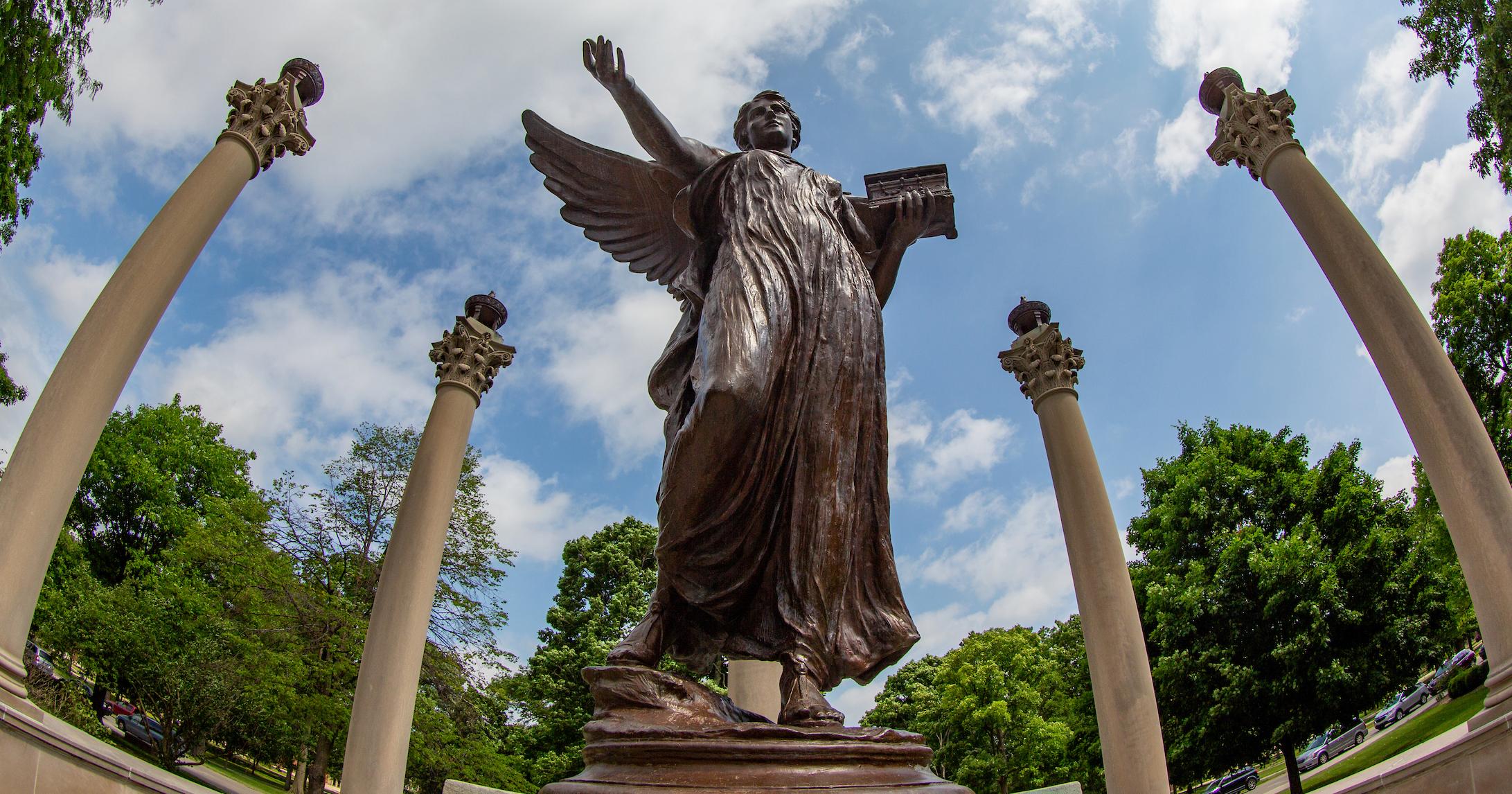
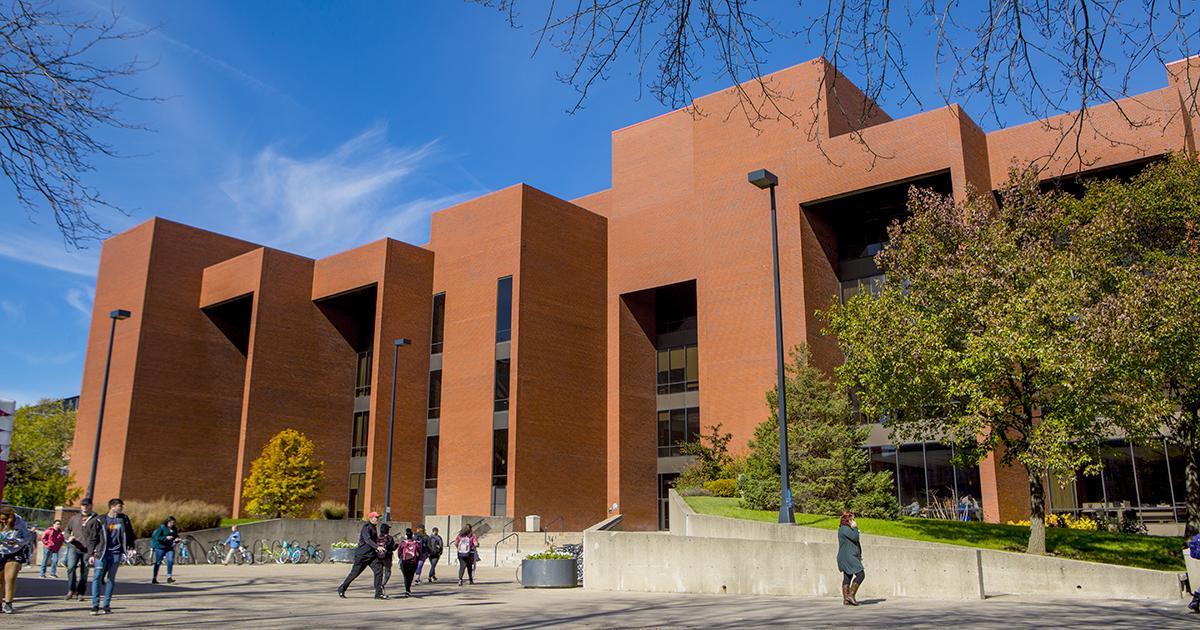
About Ball State University
Ball State University: Programs, Tuition Fees, Admissions and Guide for International Students
Overview of Ball State University
Ball State University is a public university located in Muncie, Indiana, United States. The university offers undergraduate and graduate education across a wide range of academic disciplines, combining classroom learning with practical experiences, research opportunities and career-oriented development. Its campus environment brings together students from different backgrounds and supports academic, personal and professional growth.
For international students considering higher education in the United States, Ball State University offers a range of academic pathways in areas such as business, communication, education, science, technology, architecture, health-related fields and the arts. Students can explore degree options based on their previous education, career plans and academic interests.
The university's location in Muncie gives students access to a university-focused community while allowing them to experience life in the American Midwest. Students should consider their preferred program, total study budget, admission requirements and long-term career objectives before choosing a course.
Why Choose Ball State University?
A Wide Range of Academic Opportunities
Ball State University offers undergraduate and graduate programs in multiple fields. This variety allows students to compare disciplines and choose an academic route that aligns with their strengths and future goals. Prospective applicants should review the current program catalogue to confirm the availability, structure and admission criteria of their preferred degree.
Practical and Experiential Learning
Practical learning can help students connect academic concepts with real-world challenges. Depending on the course, students may encounter projects, presentations, research assignments, collaborative activities, studio work or other applied learning opportunities. The exact learning format varies by department and degree.
Students who want to develop professional skills should investigate whether their selected program includes internships, research placements, industry projects or other structured experiential learning opportunities.
Campus Resources and Student Engagement
University life involves more than lectures and examinations. Campus resources, student organisations, academic support services and extracurricular activities can help students build communication skills, develop friendships and become more comfortable in a new academic environment.
International students can benefit from participating in student activities, attending campus events and seeking support when adjusting to American university life. Available organisations, services and participation requirements should be confirmed with the university.
An Established Public University
As a public university, Ball State provides a university setting with academic departments, student services and campus facilities. Students should evaluate the specific strengths of their intended department rather than selecting a university based only on its general reputation.
Academic Programs at Ball State University
Ball State University offers academic opportunities at both undergraduate and graduate levels. The right program depends on a student's previous qualifications, preferred subject, career objectives and eligibility.
Undergraduate Programs
Undergraduate programs are designed for students who have completed secondary education and want to pursue a bachelor's degree. Depending on the chosen discipline, undergraduate study may combine foundational courses, major-specific subjects, electives and practical assignments.
Students interested in business may explore areas related to management, accounting, finance, marketing and other business disciplines. Those interested in communication and media can investigate programs connected with journalism, communication, media production and related fields.
Other academic interests may include education, natural sciences, social sciences, computer-related disciplines, architecture and planning, health-related subjects, fine arts and performing arts. Students must check the university's current catalogue for exact degree names, specialisations and entry requirements.
A bachelor's degree generally requires several years of full-time study. The total duration depends on the program, transfer credits, course availability and the student's academic progress.
Graduate Programs
Graduate study is intended for students who have completed an appropriate undergraduate qualification and wish to develop advanced subject knowledge or professional expertise.
Ball State offers graduate-level opportunities across several academic areas. Depending on the department, applicants may find master's degrees and other advanced academic pathways. Program structures, credit requirements and completion timelines differ.
Applicants should examine the academic prerequisites for their intended course. Some departments may require relevant previous coursework, a minimum academic record, a statement of purpose, recommendation letters, a résumé or other supporting materials. Additional requirements may apply to selected programs.
Students considering a graduate degree should also investigate whether the program supports their professional goals, offers relevant research opportunities and fits their financial plans.
Choosing the Right Program
Before submitting an application, students should compare programs using several criteria:
- Academic subjects and available specialisations.
- Entry requirements and prerequisite coursework.
- Program length and credit requirements.
- Tuition, mandatory fees and living expenses.
- Availability of internships, research or practical learning.
- Application deadlines and supporting documents.
- Career relevance and further-study opportunities.
The availability of a subject area does not automatically mean that every specialisation is open to every applicant. Applicants should confirm the current program details directly with the relevant department.
Ball State University Tuition Fees and Cost of Attendance
The cost of studying in the United States includes more than tuition. International students should budget for university fees, housing, meals, books, transportation, personal expenses and other costs associated with living away from home.
For the 2026–2027 academic year, Ball State University publishes separate tuition and cost-of-attendance information for undergraduate and graduate students. Its estimates depend on factors such as residency classification, credit load, housing arrangements and the courses taken.
For planning purposes, the university's published estimates for non-Indiana residents include approximately USD 47,220 in standard annual cost of attendance for a dependent undergraduate student taking on-campus courses and USD 48,370 for a graduate student taking on-campus courses. The graduate estimate rises to USD 48,554 when the listed direct loan fees are included.
These figures are estimates for specific student categories, not a guaranteed amount for every international student. They include living and other expenses in addition to tuition and fees. Individual circumstances may result in a different total.
Understanding Tuition and Additional Expenses
Tuition is the amount charged for academic instruction. University fees may include technology, student services, health, recreation, course or program charges. Some fees depend on the number of credits a student takes or the academic department in which the student enrols.
Living expenses can include accommodation, meals, books and supplies, transportation and personal spending. Students who live on campus may have a different cost profile from students living off campus. Online-only study can also have a different fee structure from on-campus study.
International students should request a current estimate for their exact program and enrolment plan before making a financial commitment. They should also consider exchange-rate fluctuations when converting the estimated US-dollar budget into their home currency.
Scholarships and Financial Planning
Scholarship eligibility varies by award, academic level, applicant profile and other conditions. International applicants should check the university's current scholarship information to determine which opportunities are open to them.
Students should not assume that a scholarship will cover the full cost of attendance. They should confirm the award amount, renewal conditions, academic requirements and any restrictions before including scholarship funding in their budget.
A practical financial plan should account for tuition, housing, meals, health-related costs, books, travel and emergency expenses. Students should also review the financial documentation required for international admission and immigration procedures.
Admission Requirements for International Students
Admission requirements depend on the academic level, chosen program and applicant's educational background. Students should prepare their applications carefully and confirm all requirements for their intended intake.
Undergraduate Admission
International undergraduate applicants generally need to submit a completed application and official academic records showing their secondary-school education. Documents that are not in English may need to be accompanied by acceptable English translations.
The university may also require evidence of English-language proficiency unless the applicant qualifies for an approved exemption or waiver. Accepted tests, minimum scores and waiver conditions can change, so applicants should consult the current university policy.
Additional documentation may be requested depending on the student's qualifications and circumstances. Applicants should ensure that their names and personal details are consistent across their application, passport and academic documents.
Graduate Admission
Graduate applicants generally need an appropriate bachelor's degree or an equivalent qualification that meets the requirements of their intended program. They should prepare official academic transcripts and evidence of English proficiency when required.
Individual departments may request additional materials such as a statement of purpose, recommendation letters, a résumé, a writing sample, a portfolio or evidence of relevant academic or professional experience. These requirements are not identical across all graduate programs.
Applicants should verify that their previous degree and coursework satisfy the prerequisites for the selected program. Meeting the university's general application requirements does not necessarily guarantee admission to a particular department.
English-Language Proficiency
International students whose previous education does not qualify them for an exemption may need to demonstrate English proficiency through an accepted test.
Ball State's published English-proficiency information has listed scores such as TOEFL iBT 79, IELTS Academic 6.5, Duolingo English Test 110 and PTE 53 for relevant admission pathways. Applicants must confirm the current requirements, score validity period and any program-specific conditions before booking a test or submitting results.
Students should use the minimum scores as a planning reference rather than assuming that every department follows identical rules.
Application Documents and Deadlines
A typical application preparation checklist includes:
- Completed university application.
- Official secondary-school or university transcripts, as appropriate.
- English translations of documents when required.
- English-language proficiency results or evidence of an approved waiver.
- Passport and personal information.
- Program-specific supporting documents.
- Financial documentation when requested for international student processing.
Application deadlines vary by entry term and program. Applicants should confirm the deadline for their intended intake and allow enough time for test results, transcript processing and any additional documents to reach the university.
Student Life in Muncie, Indiana
Muncie provides a university-centred setting in which students can experience academic life and the surrounding community. Moving to a new country involves adjusting to different teaching methods, social expectations, weather, transport options and everyday expenses.
Students can prepare by researching accommodation, local transport, grocery options, healthcare arrangements and campus services before arrival. They should also review university guidance about orientation and support available to international students.
Participating in student organisations, campus activities and academic groups can help students build connections. Developing a routine that balances study, rest and extracurricular involvement can also make the transition to university life easier.
Students should investigate housing options early and compare the costs, location, facilities and contract conditions. Actual living expenses depend on individual choices and should be included in the overall study budget.
Career Development and Future Opportunities
University education can help students develop subject knowledge, analytical thinking, communication, collaboration and problem-solving skills. The career value of a degree, however, depends on the chosen discipline, individual performance, practical experience and labour-market conditions.
Students should explore career services, academic advising, employer events and relevant professional activities available through the university. Where appropriate, they can seek internships, research experience, projects or other opportunities that complement their studies.
International students planning to work during or after their studies must understand the rules that apply to their immigration status. Employment eligibility, internship arrangements and post-study options depend on current regulations and individual circumstances. Students should seek guidance from the university's designated international student advisers and official government resources rather than relying on general assumptions.
No university can guarantee a job, salary or visa outcome. Applicants should evaluate their program based on academic fit, career relevance, cost and the experience they hope to gain.
Scholarships and Support for International Students
International students may be able to explore scholarships or other eligible funding opportunities, depending on the university's current policies and their academic profile. Awards may have separate application procedures, deadlines, eligibility rules and renewal conditions.
Students should identify whether an award applies to undergraduate or graduate study and whether it can be combined with other financial assistance. They should also confirm whether the award is available to international applicants.
Beyond financial support, students may benefit from academic advising, orientation, tutoring or other campus services. The availability and eligibility conditions of each service should be confirmed with the university.
How to Apply to Ball State University
Students can approach the application process in a series of manageable steps.
Step 1: Select a program. Identify the degree or academic pathway that matches your educational background and career objectives.
Step 2: Review the entry requirements. Check academic prerequisites, English proficiency, required documents and any additional department-specific conditions.
Step 3: Prepare your records. Gather official transcripts, translations and other supporting materials. Arrange English-language testing if needed.
Step 4: Submit the application. Complete the appropriate application process and provide the documents requested by the university.
Step 5: Review the admission decision. Follow the university's instructions for any additional requirements or next steps.
Step 6: Prepare your finances. Confirm the latest tuition and fee estimate, plan for living expenses and investigate eligible scholarships.
Step 7: Complete international student procedures. If admitted, follow the university's instructions for financial documentation and the relevant immigration process. Review official guidance for the student visa requirements that apply to your circumstances.
Step 8: Prepare for arrival. Arrange accommodation, review orientation details and make plans for travel, insurance and everyday living expenses.
Applicants should use the university's official information as the final reference for deadlines, fees, admission decisions and immigration-related procedures.
Is Ball State University the Right Choice for You?
Ball State University may be worth considering for students who want to pursue undergraduate or graduate education in a broad academic environment in Indiana. Its range of subject areas can appeal to students with interests in business, communication, education, science, technology, the arts and other disciplines.
The best choice depends on whether the selected program matches your academic preparation and professional goals. Applicants should also evaluate the full cost of attendance, available funding, admission requirements and the practical experience offered by their intended department.
Before applying, compare Ball State with other universities offering similar programs. Confirm the current tuition estimate, application deadline, English-proficiency policy and program-specific entry requirements. Careful research can help international students make a more informed decision and prepare for a successful transition to studying in the United States.
Entry Requirements
General Entry Requirement
IELTS 6.5 overall
Fees & Scholarships
Annual Tuition Fees
USD 42,000 - USD 48,000
Ready to Apply to Ball State University?
Our advisors guide you from eligibility check to offer letter — at no cost to you.
Join our WhatsApp Community
.jpeg)
Scan to join our student community for admission updates & guidance