
Annual Fees £4,291 to £17,500
Arts University Plymouth
LocationUK
Entry RequirementIELTS 6.5 overall
Visa Success Rate95%
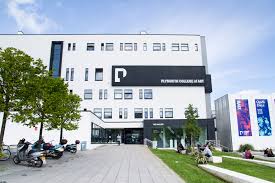
Campus Photos
Arts University Plymouth
-Jun-29-2026-06-20-24-4190-AM.jpg)
About Arts University Plymouth
Arts University Plymouth: A Specialist Creative University Focused on Art, Design, Media, Craft and Digital Making
Arts University Plymouth (AUP) is a specialist creative university in Plymouth, Devon, with a history dating back to 1856. It offers a focused environment for students interested in art, design, craft, fashion, photography, animation, games, media and digital creativity. The university's approach combines traditional making and craft skills with contemporary technology and creative practice.
Unlike large comprehensive universities, AUP is specifically focused on creative education. This allows students to spend substantial time in studios, workshops, laboratories and specialist creative facilities, developing practical skills alongside their academic studies.
The university has invested heavily in facilities covering areas such as digital fabrication, animation, games, photography, film, textiles, fashion, drawing, printmaking and materials.
For international students looking for a more specialised alternative to larger UK creative universities, Arts University Plymouth can be particularly interesting because of its practice-based teaching, specialist facilities, creative community and relatively smaller-city environment.
What is Arts University Plymouth Known For?
Arts University Plymouth is particularly known for its specialist creative education, hands-on making, contemporary craft, design and integration of digital technologies with traditional creative practices.
Its academic areas include:
- Fine Art
- Illustration
- Photography
- Animation
- Games
- Graphic Design
- Fashion
- Textile Design
- Product Design
- 3D Design
- Craft
- Film
- Media
- Interior and spatial design
- Digital and creative technologies
The university also has a strong research identity around making, craft, design and sustainability. Its Making Futures research platform explores contemporary craft, design-to-make and creative production, with an international focus.
Fine Art & Illustration
Students interested in fine art and illustration can develop their own creative practice through studio-based learning.
Areas can include:
- Drawing
- Painting
- Sculpture
- Illustration
- Contemporary art
- Mixed media
- Installation
- Visual storytelling
The emphasis is on developing an individual creative voice and professional body of work.
Photography & Media
AUP provides dedicated facilities for photography and media production.
Students can work with:
- Digital photography
- Studio photography
- Film
- Moving image
- Sound
- Editing
- Green-screen production
- Darkroom processes
The university's media and photography facilities include an infinity cove, green screen, specialist sound studio, Foley pit, vocal recording booth, stop-motion suite, darkrooms and editing suites.
Animation & Games
Animation and games are important digital creative areas at AUP.
Students can develop skills in:
- Character development
- Animation
- Digital storytelling
- Game design
- 3D workflows
- Concept development
- Digital production
The university has dedicated Animation and Games Studios equipped with 4K monitors, industry software and Adobe Creative Suite.
Fashion & Textiles
Students interested in fashion and textile design can explore:
- Fashion design
- Textile design
- Printed textiles
- Pattern
- Fabric development
- Garment construction
- Sustainable materials
- Digital textile processes
AUP's textile facilities include industrial sewing machines, digital embroidery resources, sublimation printers, dye laboratories, heat presses, tufting equipment and a Mimaki fabric printer.
Product Design, Craft & 3D Design
AUP has a particularly strong focus on materials and making.
Students can work with:
- Wood
- Plastics
- Ceramics
- Textiles
- Glass
- Digital fabrication
- 3D printing
- CNC manufacturing
- Laser cutting
The university's Fab Lab South West includes 3D printers, 3D scanners, CNC milling and routing equipment, vinyl cutting and laser cutting facilities.
Creative Technology
AUP combines traditional creative practice with digital technologies.
Students can explore the relationship between:
Art + Design + Materials + Digital Technology + Making
This approach is particularly relevant to students interested in emerging creative practices, digital fabrication and experimental design.
Arts University Plymouth's Specialist Creative Environment
AUP's biggest distinction is its specialist creative environment.
Rather than offering hundreds of unrelated academic subjects, the university concentrates on creative disciplines and provides facilities designed around those areas.
Its resources include:
- Material Lab
- Fab Lab South West
- 3D Wood & Plastics Workshop
- Media & Photography Studios
- Animation & Games Studios
- Drawing Studios
- Print facilities
- Textile Studios
- Fashion Studios
- Fabric Lab
- Multimedia Lab
- Digital Education facilities
- Library and academic skills support
Why This Matters
For creative students, access to professional equipment can be just as important as classroom teaching.
Students can therefore move from:
Idea → Experiment → Prototype → Make → Refine → Present
This practice-based approach can help students develop portfolios and practical skills that are useful when entering creative industries.
Quick Facts
- Location: Plymouth, Devon, England
- Type: Specialist creative university
- History: Creative education in Plymouth dates back to 1856
- Main focus: Art, design, craft, media and creative technology
- Strong studio and workshop-based learning
- Specialist facilities for animation, games, photography, fashion and digital fabrication
- Fab Lab South West
- Strong research focus on making, craft and design
- Offers undergraduate, postgraduate, pre-degree and short-course study
Q. Is Arts University Plymouth a good university in the UK?
A. Arts University Plymouth can be a strong choice for students specifically interested in art, design, craft, fashion, photography, animation, games, media and other creative disciplines. Its main strengths are its specialist focus, hands-on learning and extensive creative facilities rather than offering the broad subject range of a large comprehensive university.
Arts University Plymouth Campus – Specialist Studios, Workshops and Creative Facilities
AUP's campus is located in Plymouth, a coastal city in South West England.
The university's facilities are heavily focused on practical creative work, with specialist studios and workshops designed around different disciplines.
Students can access:
- Art studios
- Drawing studios
- Photography studios
- Film and media facilities
- Animation and games studios
- Fashion studios
- Textile workshops
- Fabric laboratories
- Print facilities
- Digital fabrication equipment
- Wood and plastics workshops
- Computing facilities
- Library facilities
- Academic skills support
The university's specialist resources are designed to support both traditional craftsmanship and contemporary digital production.
Life in Plymouth
Plymouth offers a different experience from studying in London.
Students can enjoy:
- Coastal surroundings
- Beaches
- Cafés and restaurants
- Cultural events
- Galleries
- Museums
- Outdoor activities
- Student societies
- Music and entertainment
The coastal location can also provide inspiration for students working in art, photography, environmental design and other creative disciplines.
Student Experience
Because AUP is a specialist creative institution, students can work alongside others studying different creative disciplines.
This creates opportunities for collaboration between:
- Artists
- Designers
- Photographers
- Animators
- Filmmakers
- Fashion students
- Craft makers
- Digital creatives
This interdisciplinary environment is one of the potential advantages of studying at a specialist arts university.
International Student Experience
AUP welcomes international students and provides dedicated information and support around international study, visas and fees. International students should check the university's current requirements and guidance for their specific nationality and course before applying.
Q. Is Arts University Plymouth a good place for international students?
A. It can be a good choice for international students who want a specialist creative education in a smaller UK city, particularly in art, design, fashion, photography, animation, games, craft or digital creative practice. Students looking for a broad range of non-creative subjects would likely need to consider a larger comprehensive university.
Arts University Plymouth Courses – Creative Programmes in Art, Design, Fashion, Media, Games and Digital Making
Arts University Plymouth offers specialist undergraduate and postgraduate programmes focused on art, design, craft, fashion, photography, film, animation, games, illustration and creative technologies. Its courses are designed around practical, studio-based learning, allowing students to develop both creative skills and professional portfolios.
Popular Subject Areas
Fine Art & Illustration
Students can explore:
- Fine Art
- Illustration
- Drawing
- Painting
- Sculpture
- Contemporary art
- Mixed media
- Visual storytelling
The emphasis is on developing an individual creative practice while building a portfolio of work.
Photography & Film
Students can develop practical skills in:
- Photography
- Film production
- Moving image
- Digital photography
- Studio photography
- Editing
- Sound production
Specialist facilities support both traditional and digital approaches to image-making.
Animation & Games
Students interested in digital entertainment can explore:
- Animation
- Games
- Character development
- Digital storytelling
- Game design
- 3D production
- Concept development
The university's Animation and Games facilities provide dedicated spaces and industry-standard software for creative production.
Fashion & Textiles
Fashion and textile students can work across:
- Fashion design
- Textile design
- Garment construction
- Pattern development
- Printed textiles
- Embroidery
- Sustainable materials
- Digital textile production
The university provides specialist textile and fashion equipment, allowing students to move from design concepts to physical production.
Product Design, Craft & 3D Design
AUP has a strong emphasis on making and materials.
Students can explore:
- Product design
- 3D design
- Craft
- Ceramics
- Wood
- Plastics
- Jewellery
- Prototyping
- Digital fabrication
Facilities include 3D printers, CNC equipment, laser cutters and other digital fabrication technologies.
Graphic Design & Visual Communication
Students can develop skills in:
- Graphic design
- Illustration
- Typography
- Branding
- Visual communication
- Editorial design
- Digital design
These skills can prepare graduates for careers in design studios, advertising, publishing and digital creative industries.
Creative Technology
AUP combines traditional creative practice with modern technologies.
Students can explore:
- Digital fabrication
- Creative technology
- 3D printing
- Digital design
- Interactive media
- Emerging technologies
- Experimental making
This can be particularly suitable for students interested in combining creative thinking with technology and digital production.
Q. What Are the Best Courses at Arts University Plymouth?
A. Arts University Plymouth is particularly worth considering for Fine Art, Illustration, Photography, Animation, Games, Fashion, Textile Design, Product Design, Craft, Graphic Design and other creative disciplines. Its biggest strength is its specialist, hands-on approach, with students able to work in studios, workshops and digital production facilities.
Student Life at Arts University Plymouth – A Creative Community in a Coastal City
Student life at AUP combines creative collaboration with the lifestyle of Plymouth, a coastal city in South West England.
Students can participate in:
- Student societies
- Creative projects
- Exhibitions
- Workshops
- Events
- Performances
- Student-led activities
- Careers activities
- Collaborative projects
Because the university specialises in creative subjects, students from different disciplines can collaborate on projects and develop connections across art, design, fashion, media and digital production.
Campus Experience
Students have access to specialist facilities including:
- Art studios
- Photography studios
- Film facilities
- Animation studios
- Games studios
- Fashion workshops
- Textile facilities
- Printmaking facilities
- Wood and plastics workshops
- Digital fabrication equipment
- Computing facilities
- Library and study spaces
This studio-based environment allows students to spend significant time developing practical work rather than relying entirely on traditional classroom teaching.
Life in Plymouth
Plymouth offers students:
- Coastal surroundings
- Beaches
- Restaurants and cafés
- Museums
- Galleries
- Cultural events
- Outdoor activities
- Music and entertainment
- Student societies
Compared with studying in London, Plymouth also provides a smaller-city environment, which may appeal to students who prefer a less crowded setting.
Q. What is student life like at Arts University Plymouth?
A. Student life is creative, collaborative and strongly focused on practical work. Students can participate in exhibitions, workshops, societies and interdisciplinary projects while also enjoying Plymouth's coastal environment.
Careers & Employability – Building Creative Portfolios and Professional Experience
Employability is an important part of the creative education experience at Arts University Plymouth.
Students are encouraged to develop professional skills alongside their creative practice, including portfolio development, presentation, communication, project management and industry awareness.
Depending on the course, students may have opportunities to gain experience through:
- Work placements
- Internships
- Industry projects
- Live briefs
- Exhibitions
- Competitions
- Freelance projects
- Professional collaborations
- Graduate opportunities
Creative students can use these experiences to build portfolios that demonstrate their practical abilities to potential employers or clients.
Career Areas
Graduates can potentially pursue careers in:
- Graphic design
- Illustration
- Photography
- Animation
- Games
- Fashion
- Textile design
- Film and media
- Product design
- Craft
- Creative technology
- Art and cultural organisations
- Freelancing
- Creative entrepreneurship
Q. Does Arts University Plymouth provide placement opportunities?
A. Depending on the programme, students can access work experience, industry projects, live briefs, professional collaborations and other opportunities to gain practical experience. Students should check the individual course structure because placement opportunities vary by programme.
For Indian Students
Arts University Plymouth can be particularly relevant for Indian students interested in:
Fine Art | Illustration | Photography | Animation | Games | Fashion | Textile Design | Graphic Design | Product Design | Craft | Film | Creative Technology
Its main advantages are its specialist creative environment, practical learning, modern production facilities and smaller coastal-city setting.
Indian applicants should carefully check the specific course's portfolio requirements, academic entry requirements, English-language requirements, tuition fees and scholarship availability before applying.
Arts University Plymouth Fees – Affordable Specialist Creative Education with International Scholarships
Arts University Plymouth offers international students a specialist creative education in Art, Design, Media, Fashion, Photography, Animation, Games, Craft and related subjects. For the 2026/27 academic year, the university publishes clear international tuition fees across its undergraduate, postgraduate and pre-degree programmes.
Estimated Tuition Fees for International Students
|
Programme |
Annual Tuition Fee |
Duration |
|
Extended Diploma |
£12,500 |
2 years |
|
Foundation Diploma |
£12,500 |
10 months |
|
BA (Hons) Degrees |
£17,500 |
3 years |
|
Extended BA Degrees |
£17,500 |
4 years |
|
Master's Degrees – Full-time |
£17,500 |
1 year |
|
Master's Degrees – Part-time |
£9,275 |
2 years |
*These are the published 2026/27 EU and international fees. Course materials and some additional study costs are not included and vary according to the programme.
International students who require a Student visa must pay a non-refundable £2,000 deposit before Arts University Plymouth issues a CAS. The remaining tuition fee is required to be paid in full upon enrolment; the university states that it does not offer partial payment plans for these international fees.
Scholarships for International Students
Arts University Plymouth offers scholarships to international students entering their first year.
For 2026/27, the university states that international students may be eligible for scholarships of up to £2,000 per year, subject to eligibility and availability.
Other funding opportunities include:
- International scholarships
- Progression awards
- Alumni discounts
- External scholarships
- Funding opportunities for Indian students
Students progressing from an eligible Arts University Plymouth pre-degree programme to undergraduate study can also receive a £300 progression scholarship, subject to the university's attendance requirements.
Postgraduate students who previously studied a pre-degree, foundation or undergraduate programme at Arts University Plymouth can receive an Alumni Progression Award worth 15% off Master's fees.
The university also highlights external funding sources, including opportunities specifically relevant to students from India.
Q. Is Arts University Plymouth affordable for international students?
A. Compared with many UK specialist arts institutions, Arts University Plymouth has relatively straightforward international fees, with BA programmes at £17,500 per year for 2026/27 and Master's programmes also at £17,500 for full-time study. Scholarships of up to £2,000 per year can further reduce tuition for eligible international students. Students should also budget separately for accommodation, living costs and course materials.
Arts University Plymouth for International Students – Specialist Support and a Creative UK Experience
Arts University Plymouth welcomes international students and provides dedicated support throughout the application and arrival process. The university offers guidance with applications, Student visas, accommodation, English-language requirements and settling into Plymouth.
International Student Support Includes
- International admissions guidance
- Student visa guidance
- Pre-arrival support
- Accommodation assistance
- English-language support
- Portfolio guidance
- Application assistance
- Academic support
- Careers guidance
- International exchange opportunities
- Scholarship information
International undergraduate applicants normally apply through UCAS, while postgraduate and pre-degree applicants can apply directly through Arts University Plymouth. Portfolio submission is an important part of the application process for many creative courses.
The university is also an Office for Students-registered higher education provider and is authorised to award degrees.
International Opportunities
Arts University Plymouth has an international outlook despite being a relatively small specialist institution. In 2026, the university announced an international collaboration with Vedica Art Studios and Gallery in Mumbai, creating opportunities for artistic exchange and postgraduate engagement.
Eligible students and graduates can also access international opportunities through the Turing Scheme, including placements and internships.
Q. Is Arts University Plymouth good for international students?
A. Yes, particularly for students who want a specialist creative university, practical studio education and a smaller UK-city experience. Its international support, portfolio-based admissions, specialist facilities and creative-industry focus make it an interesting alternative to larger institutions such as UAL.
The Honest Verdict – Is Arts University Plymouth the Right Choice for You?
Arts University Plymouth is best suited to students who want hands-on creative education rather than a traditional broad-based university experience.
Arts University Plymouth Is an Excellent Choice If You...
- Want to study Art or Design.
- Are interested in Fashion or Textiles.
- Want to study Photography.
- Are interested in Animation or Games.
- Want to study Illustration.
- Are interested in Graphic Design.
- Want to explore Craft or Product Design.
- Prefer practical, studio-based education.
- Want access to specialist workshops and equipment.
- Prefer a smaller creative community.
- Want to study in a coastal UK city.
- Want relatively straightforward international tuition fees.
- Are interested in combining traditional making with digital technology.
It May Not Be the Right Fit If You...
- Want a large comprehensive university.
- Are looking for Medicine, Engineering or traditional Business degrees.
- Prioritise global university rankings over specialist creative reputation.
- Want a large metropolitan university experience.
- Prefer studying in London.
- Are not interested in creative or design-related careers.
- Want a very broad range of academic disciplines.
For students focused specifically on creative careers, the university's specialist nature can be an advantage rather than a limitation.
Frequently Asked Questions About Arts University Plymouth
Q. Is Arts University Plymouth good for Indian students?
A. Yes. It can be particularly suitable for Indian students interested in Art, Design, Fashion, Photography, Animation, Games, Illustration, Graphic Design, Craft, Film and Creative Technology. The university provides international admissions and visa support and highlights external scholarship opportunities for Indian applicants.
Q. What is Arts University Plymouth famous for?
A. It is particularly known for specialist creative education, practical learning, art and design, craft, digital making and studio-based study. The university has also developed a strong research identity around making, craft, sustainability and material thinking.
Q. How much are Arts University Plymouth fees for international students?
A. For 2026/27, BA (Hons) and Extended BA programmes cost £17,500 per year for international students. Full-time Master's programmes also cost £17,500 per year, while the Foundation Diploma and Extended Diploma cost £12,500 per year.
Q. Does Arts University Plymouth offer scholarships?
A. Yes. International students may be eligible for scholarships of up to £2,000 per year, subject to eligibility and availability. The university also offers progression awards and a 15% alumni discount for eligible postgraduate students.
Q. Can international students work while studying?
A. Eligible international students can generally work within the conditions attached to their UK Student visa. Students should check the current UK Government rules applicable to their individual visa.
Q. Is Arts University Plymouth affordable for students?
A. Its published international tuition fees are relatively straightforward, with £17,500 per year for most BA and full-time Master's programmes in 2026/27. However, students must separately budget for accommodation, food, transport, materials and other living expenses.
Q. Does Arts University Plymouth provide placement opportunities?
A. Students can access professional and international opportunities through placements, internships, industry engagement and schemes such as the Turing Scheme. The exact opportunities depend on the course and individual eligibility.
A Final Word – Why Arts University Plymouth Deserves Your Consideration
Arts University Plymouth offers a focused alternative to larger UK creative universities, combining specialist facilities, studio-based learning, practical making and contemporary creative technologies.
Its strongest areas include:
Fine Art | Illustration | Photography | Animation | Games | Fashion | Textiles | Graphic Design | Product Design | Craft | Film | Creative Technology
For international students, the university offers a particularly interesting combination of £17,500 annual international tuition for BA and full-time Master's programmes in 2026/27, potential scholarships of up to £2,000 per year, specialist facilities and a smaller creative community.
The main consideration is that it is a specialist arts university, so students looking for subjects outside the creative disciplines will need to consider other institutions. Students should also remember that creative courses can involve additional costs for materials and equipment.
If you want a practical, specialist creative education in a smaller UK city, Arts University Plymouth deserves serious consideration.
Overall Verdict: A specialist creative university offering hands-on education, modern creative facilities, international support and comparatively straightforward international tuition fees.
Entry Requirements
General Entry Requirement
IELTS 6.5 overall
Fees & Scholarships
Annual Tuition Fees
£4,291 to £17,500
Ready to Apply to Arts University Plymouth?
Our advisors guide you from eligibility check to offer letter — at no cost to you.
Join our WhatsApp Community
.jpeg)
Scan to join our student community for admission updates & guidance