
Annual FeesUSD 40,000 - USD 75,000
Arcadia University
LocationUS
Entry RequirementIELTS 6.5 overall
Visa Success Rate72%
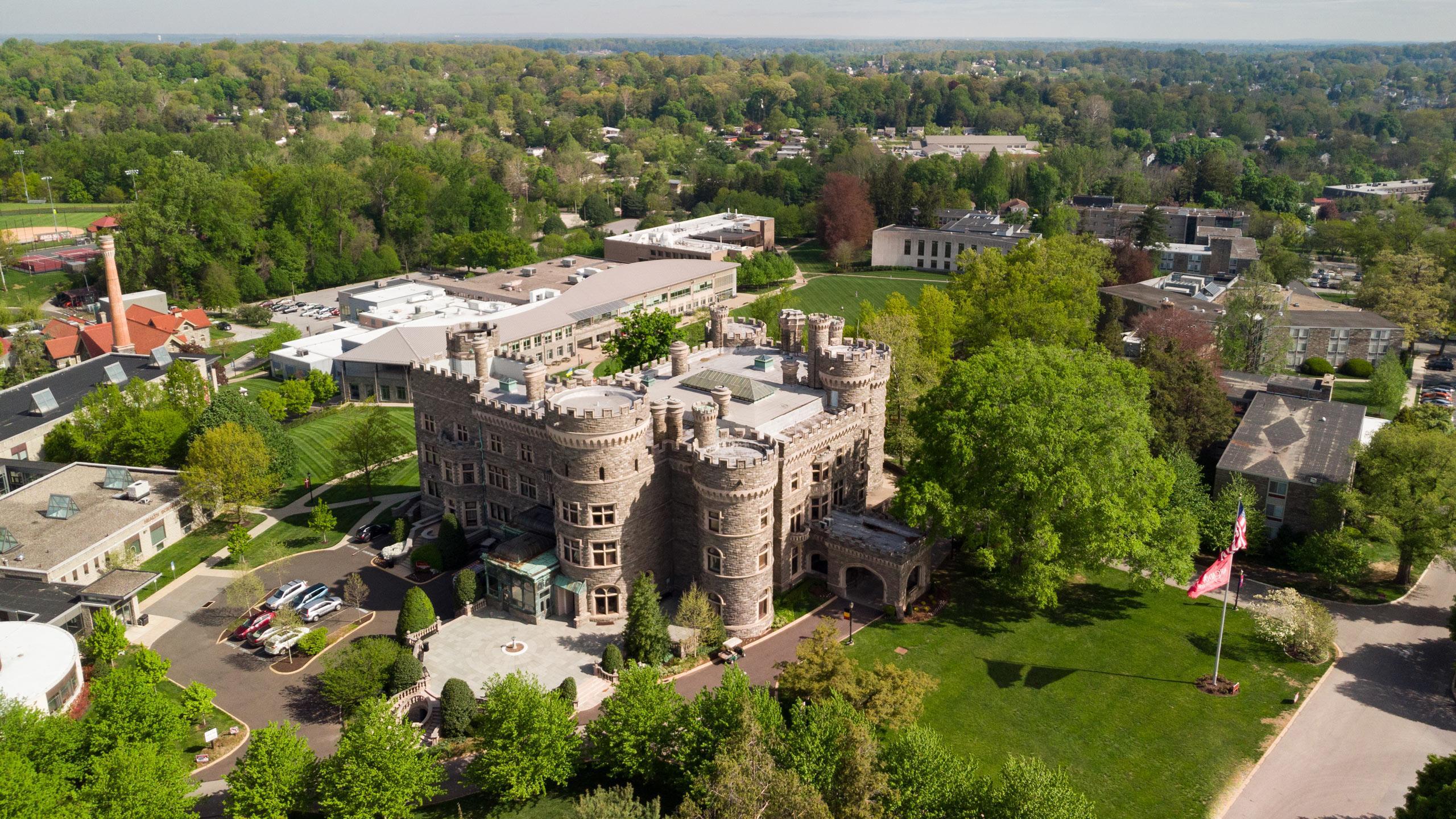
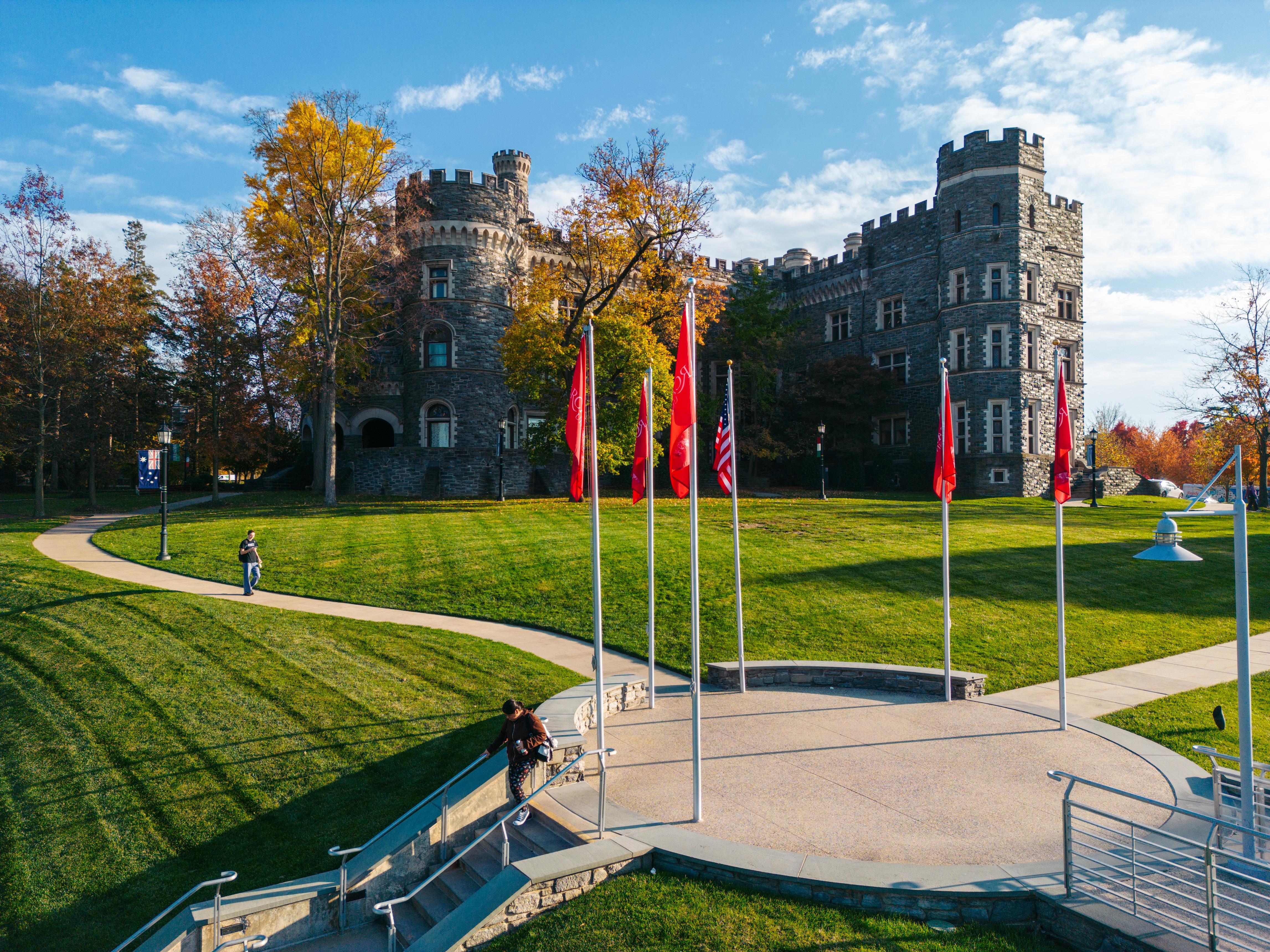
Campus Photos
Arcadia University
About Arcadia University
Arcadia University: Programs, Tuition Fees, Admissions, and International Student Guide
Overview of Arcadia University
Arcadia University is a private university located in Glenside, Pennsylvania, in the United States. Situated approximately 25 minutes from Philadelphia, the university offers students access to a suburban campus environment while remaining connected to a major metropolitan area. Arcadia combines academic study with experiential learning, international education, and professional preparation across a range of disciplines.
The university offers undergraduate and graduate programs in areas such as business, health sciences, education, psychology, forensic science, international relations, the humanities, and the sciences. Its academic offerings include bachelor's degrees, master's degrees, doctoral programs, certificates, and selected professional pathways. Students can explore programs suited to different academic backgrounds and career interests.
Arcadia is known for its emphasis on global learning and study abroad. Students may have opportunities to participate in international education experiences, depending on their program and eligibility. The university also emphasizes practical learning, faculty engagement, and opportunities to connect classroom knowledge with professional and community settings.
For prospective students, choosing Arcadia requires reviewing the specific degree, academic requirements, tuition, financial aid, and available learning format. Program availability and requirements can differ by department, so applicants should consult the details for their intended course of study before submitting an application.
Where Is Arcadia University Located?
Arcadia University's main campus is in Glenside, Pennsylvania, a suburban community near Philadelphia. The location provides a campus-based university experience while offering access to the cultural, professional, and educational opportunities of the Philadelphia region.
Philadelphia is home to businesses, healthcare organizations, cultural institutions, nonprofit organizations, and research facilities. Depending on their field of study, students may find opportunities to explore internships, networking, community engagement, and professional development in the wider region. However, specific internships and placements are not guaranteed and may depend on academic requirements, availability, and selection procedures.
The Glenside campus offers a setting for academic study, student activities, and university services. Students should review the facilities and resources relevant to their intended program, especially if their degree requires laboratories, clinical experiences, specialist equipment, or other practical components.
The university's location may appeal to students who want a residential campus environment without being far from a large city. Applicants should consider transportation, accommodation, living costs, and commuting arrangements when estimating the overall expense of attending Arcadia.
Academic Programs at Arcadia University
Arcadia offers academic options across several disciplines. The most appropriate program depends on a student's prior education, academic interests, professional goals, and any additional qualifications required for the intended career.
Business and Management
Business-related programs can help students develop knowledge of management, organizational behavior, leadership, business strategy, and decision-making. Arcadia offers business administration study options, including graduate-level pathways for students seeking to advance their professional skills.
A business degree may suit students interested in management, consulting, entrepreneurship, operations, or organizational leadership. The curriculum and career preparation vary by degree level and specialization. Applicants should examine the required courses, available electives, practical projects, and expected learning outcomes before deciding whether a program aligns with their goals.
Students considering graduate business education should also review admission requirements, program duration, tuition structure, and whether the course is available in a full-time, part-time, or alternative format.
Health Sciences and Rehabilitation
Health sciences are an important part of Arcadia's academic portfolio. Programs include physical therapy, physician assistant studies, public health, behavioral health, movement science, rehabilitation science, and related areas.
These fields can involve a combination of classroom learning, scientific study, practical training, and supervised experience. Professional programs may have specific prerequisites and additional requirements that applicants must satisfy before enrollment.
Students interested in healthcare careers should confirm the exact qualification offered by their selected program and investigate the licensing or certification requirements relevant to their intended profession. Completing a degree does not automatically guarantee eligibility to practise in every state or country.
Because health-related programs can have different application procedures and timelines, applicants should review the relevant department's instructions carefully and prepare required academic records and other documents in advance.
Education and Teaching
Arcadia offers education programs for students interested in teaching, educational leadership, learning support, and related professional areas. Depending on the qualification, students may study instructional approaches, educational policy, curriculum development, student development, and leadership in educational settings.
Graduate programs can be useful for educators seeking advanced knowledge or professional development. Some pathways may be associated with credentials or specific professional roles, but the exact outcome depends on the program.
Applicants should distinguish between an academic degree and a teaching credential or professional certification. Requirements vary by state, and students intending to teach in a particular location should verify that their selected program meets the applicable rules.
Psychology and Counseling
Psychology and counseling programs explore human behavior, mental health, development, and methods for supporting individuals and communities. Arcadia offers selected graduate options in counseling and related areas, including combined study pathways.
Students may examine counseling theories, assessment, research, ethics, and approaches to working with different populations. Program requirements depend on the degree and intended professional role.
Those interested in becoming licensed counselors or pursuing other regulated mental health professions should carefully investigate supervised practice, examination requirements, and state licensing standards. An academic qualification alone may not satisfy every requirement for professional practice.
Applicants should review the curriculum and confirm how the program supports their intended career before enrolling.
Forensic Science
Arcadia offers a graduate program in forensic science for students interested in applying scientific methods to investigations and legal contexts. Forensic study may involve scientific analysis, evidence-related procedures, research, and the relationship between laboratory findings and the justice system.
Students considering this field should examine the program's course structure, scientific prerequisites, practical learning components, and research expectations. A background in an appropriate scientific discipline may be necessary for admission, depending on the program's rules.
Career paths related to forensic science can differ considerably. Opportunities may exist in laboratories, investigative support, research, and other technical settings, but employment requirements vary by role and employer.
International Relations and Peace Studies
Arcadia offers programs in international peace and conflict resolution and related areas. These programs can interest students who want to understand conflict, diplomacy, global cooperation, human rights, and the institutions involved in international affairs.
Students may develop analytical, communication, research, and problem-solving skills relevant to work in international organizations, nonprofits, public service, policy, and related fields. Career outcomes depend on the student's experience, language skills, specialization, and the requirements of individual employers.
Applicants should review the curriculum and consider whether the program's academic focus matches their professional interests.
Humanities, Creative Writing, and the Arts
Arcadia's academic options also include areas such as English, creative writing, and other humanities-related subjects. These programs can support students interested in writing, research, communication, critical analysis, and creative practice.
Graduate study in creative writing or English may involve workshops, literature, advanced writing, research, and independent projects. Students should examine the portfolio or writing-sample requirements for their intended program, where applicable.
These disciplines can develop transferable skills useful in communications, publishing, education, content development, and other fields. Career preparation depends on the student's chosen specialization, experience, and professional goals.
Admission Requirements at Arcadia University
Arcadia's admission requirements vary by degree level and academic program. Applicants should first identify the course they want to pursue and then follow the official instructions for that program.
Undergraduate Admissions
First-year applicants generally submit an application and academic records from secondary school. Arcadia's undergraduate application process allows applicants to apply through the university's application system or the Common Application, with international applicants directed to the Common Application.
Standardized test scores may be optional for many applicants, although exceptions can apply to particular programs or applicant categories. The university may consider academic performance, school records, activities, recommendations, and other application materials when evaluating applicants and scholarship eligibility.
Applicants should check whether their intended major requires an audition, portfolio, additional documentation, or other special steps. Students transferring from another institution must also follow the relevant transfer admission requirements.
Graduate Admissions
Graduate applicants generally need a bachelor's degree or an equivalent qualification accepted by the university. Individual programs may specify prerequisite coursework, relevant experience, recommendations, statements of purpose, résumés, interviews, or other application materials.
Some professional programs have separate application systems or additional eligibility requirements. Applicants should verify the requirements for their intended degree rather than assuming that the same checklist applies to all graduate programs.
International graduate applicants whose previous education was completed outside the United States may need a course-by-course transcript evaluation from an eligible credential evaluation organization. English-language proficiency evidence may also be required.
English-Language Requirements for International Applicants
International applicants must demonstrate that they meet Arcadia's English-language requirements where applicable. Accepted tests and minimum scores can vary by applicant category and degree level.
For example, Arcadia's published international admissions guidance lists minimum scores for tests such as TOEFL, IELTS, Duolingo English Test, ITEP, and PTE for specified applicant groups. Undergraduate and graduate requirements are not identical, and requirements can change.
Applicants should confirm which tests are accepted for their particular program, whether exemptions are available, and whether scores must be submitted by a specific deadline. They should also ensure that all academic records and required translations meet the university's submission standards.
Application Deadlines and Documents
Arcadia considers applications according to its published admission procedures. Some programs use rolling admission, while others may have program-specific deadlines or limited intake periods.
Common application materials can include academic transcripts, proof of degree completion, English-language test scores where required, recommendations, a personal statement, a résumé, or additional program-specific documents. The exact requirements depend on the degree.
International applicants should prepare official records and any required certified translations well in advance. They should also check whether a credential evaluation, financial documentation, or additional evidence is required before enrollment.
Tuition Fees and Cost of Attendance
Tuition at Arcadia University depends on the degree, program structure, number of credits, enrollment status, and academic year. There is no single tuition figure that accurately represents the cost of every undergraduate and graduate program.
For the 2026–2027 academic year, Arcadia publishes graduate tuition rates by program. Examples include $875 per credit for selected part-time business administration, English, and creative writing programs, while counseling is listed at $885 per credit. Some education programs have different rates, and professional programs such as physical therapy and physician assistant studies use semester-based tuition structures. Forensic science and international peace and conflict resolution also have program-specific pricing.
These amounts should not be treated as a universal tuition range for all students. The cost of a full degree depends on the total number of credits or semesters required, the student's enrollment pathway, and any applicable additional charges.
Students may also need to budget for university fees, books, supplies, housing, meals, transportation, personal expenses, health insurance, and other program-specific costs. Campus-based students may have expenses that differ from those of students enrolled in online or hybrid programs.
The university publishes tuition and fees for different academic years, and rates can change. Applicants should use the fee schedule for their intended intake and ask the relevant department or admissions office for a program-specific estimate before making financial commitments.
Scholarships and Financial Aid
Arcadia offers information about scholarships and financial aid for eligible students. Funding options and eligibility depend on factors such as academic performance, degree level, enrollment status, citizenship or residency category, and the terms of individual awards.
Undergraduate applicants may be considered for merit-based scholarships according to the university's policies. Other funding opportunities may be available to eligible students in selected programs. Graduate funding arrangements can differ substantially by department and degree.
Students should check scholarship application requirements, deadlines, renewal conditions, and whether an award covers tuition only or other expenses. They should not assume that a scholarship is guaranteed until an official decision has been issued.
International students should verify which funding options are open to them and whether additional financial documentation is required. Students who need to provide proof of funds should prepare a realistic budget that includes tuition and living expenses after confirmed scholarships or other support.
Comparing the total cost of attendance with confirmed funding can help applicants decide whether Arcadia is financially suitable for their circumstances.
Campus Life and Student Support
Arcadia's campus environment brings together academic study, student activities, and opportunities for community engagement. Students can explore university organizations, academic resources, and activities that support personal development alongside their coursework.
The university's location near Philadelphia provides access to a broader metropolitan region. Depending on their interests, students may explore cultural attractions, community organizations, professional events, and other experiences beyond campus.
Student support services can help learners navigate academic requirements and university procedures. The services available to each student may depend on their program, location, and enrollment status, so applicants should review the support relevant to their needs.
International students may need assistance with orientation, immigration documentation, accommodation, health insurance, and adapting to a different academic system. They should use official university resources to understand their responsibilities and available services.
Students should also investigate campus accommodation, meal arrangements, transportation, and the estimated cost of living in Glenside and the surrounding Philadelphia region before making enrollment decisions.
Study Abroad and Global Learning
International education is a significant part of Arcadia's academic identity. The university provides study abroad opportunities through its global education programs, allowing eligible students to explore academic experiences in other countries.
Depending on the program, students may participate in semester-based study, academic-year experiences, summer programs, internships, or other forms of international learning. Available destinations, course options, eligibility rules, and fees vary.
Study abroad can help students develop intercultural awareness, independence, communication skills, and a broader understanding of their subject. Students should confirm whether credits earned abroad apply to their degree requirements and whether participation affects their expected graduation timeline.
Applicants interested in international learning should consider the additional costs, program dates, travel documentation, accommodation arrangements, and academic approval requirements. They should also verify whether their selected degree offers the specific international opportunity they want.
Career Preparation and Professional Development
Arcadia's academic programs are designed to help students develop knowledge and skills relevant to their chosen fields. Depending on the discipline, learning may include research, practical projects, laboratory work, professional placements, internships, or other experiential activities.
Business students may focus on management and organizational skills, while health sciences students may complete discipline-specific practical training. Forensic science students may develop scientific and analytical competencies, and students in international relations may strengthen research, communication, and policy analysis skills.
Career outcomes depend on the program, the student's performance and experience, professional requirements, and the opportunities available in the relevant labor market. No degree can guarantee a specific job or salary.
Students can support their career development by identifying target roles early, reviewing employer requirements, developing relevant experience, and seeking advice from faculty and career services where available. Networking, internships, projects, and professional qualifications may complement their academic study.
Applicants should compare the learning outcomes of their chosen program with the skills and qualifications required for the careers they want to pursue.
Accreditation and Academic Recognition
Accreditation is an important factor when choosing a university. Arcadia University is accredited by the Middle States Commission on Higher Education. Accreditation provides a framework for evaluating institutional quality and academic standards, but students should also check the recognition requirements associated with their specific program and career plans.
Some professional fields have additional licensing, certification, or program-specific accreditation requirements. This is particularly important for students considering health sciences, counseling, education, or other regulated occupations.
Applicants should confirm the current accreditation and approval status of their intended degree and determine whether it satisfies the requirements of the state or country where they plan to work.
Students who intend to use their qualifications outside the United States should investigate credential recognition and any additional professional requirements before enrolling. A university degree may be academically recognized without automatically meeting every licensing or employment requirement in another jurisdiction.
Why Consider Arcadia University?
Arcadia University may appeal to students seeking a private university experience near Philadelphia, with academic options across business, health sciences, education, psychology, forensic science, international relations, and the humanities.
Its emphasis on international education can be valuable for students interested in global perspectives and study abroad. The university's location offers a campus environment with access to a major metropolitan area, while its graduate and professional programs provide options for students pursuing specialized academic or career goals.
However, the right university depends on an applicant's individual priorities. Students should compare program content, tuition, financial aid, campus facilities, practical learning opportunities, and career requirements before making a decision.
Prospective students should also confirm program availability, admission criteria, deadlines, and the total cost of attendance for their intended intake. Reviewing these details carefully can help them choose a degree that matches their academic background, financial circumstances, and long-term plans.
Frequently Asked Questions About Arcadia University
Where is Arcadia University located?
Arcadia University is located in Glenside, Pennsylvania, near Philadelphia in the United States. Its suburban campus provides access to the wider Philadelphia region.
What programs does Arcadia University offer?
Arcadia offers undergraduate and graduate programs across fields including business, health sciences, education, psychology, forensic science, international relations, English, and creative writing. Exact options depend on the degree level and academic department.
How much is tuition at Arcadia University?
Tuition varies by program and academic year. For 2026–2027, selected part-time graduate programs are priced per credit, while some professional programs use semester-based or annual rates. Students should consult the official schedule for their chosen degree.
Does Arcadia University offer scholarships?
Scholarships and financial aid may be available to eligible students. Awards depend on the applicable criteria, program, and funding conditions. Applicants should verify their eligibility and deadlines directly with the university.
Can international students apply to Arcadia University?
Yes. Arcadia accepts international applicants who meet the relevant admission requirements. Applicants may need to submit academic records, English-language test scores, credential evaluations, and other documents depending on their education and intended program.
What English-language tests does Arcadia accept?
Arcadia's published international admissions guidance lists tests such as TOEFL, IELTS, Duolingo English Test, ITEP, and PTE for specified applicant categories. Accepted tests and minimum scores vary by degree level and applicant circumstances.
Is Arcadia University accredited?
Arcadia University is accredited by the Middle States Commission on Higher Education. Students considering regulated professions should also verify any additional program-specific accreditation or licensing requirements.
Does Arcadia University offer study abroad opportunities?
Yes. Arcadia provides international education opportunities through its global learning programs. Destinations, dates, fees, and eligibility requirements depend on the selected program.
Conclusion
Arcadia University offers a range of undergraduate, graduate, and professional study options in Glenside, Pennsylvania. Its academic areas include business, health sciences, education, psychology, forensic science, international relations, and the humanities, while its global education opportunities may appeal to students seeking international learning experiences.
Before applying, prospective students should confirm the requirements and availability of their chosen program, calculate tuition and living expenses, review financial aid options, and investigate any professional licensing or credential recognition requirements. A careful comparison of academic fit, cost, learning opportunities, and career goals can help students determine whether Arcadia University is the right choice for their future.
Entry Requirements
General Entry Requirement
IELTS 6.5 overall
Fees & Scholarships
Annual Tuition Fees
USD 40,000 - USD 75,000
Ready to Apply to Arcadia University?
Our advisors guide you from eligibility check to offer letter — at no cost to you.
Join our WhatsApp Community
.jpeg)
Scan to join our student community for admission updates & guidance