
Annual FeesUSD 35,000 - USD 55,000
Alliant International University
LocationUS
Entry RequirementIELTS 6.5 overall
Visa Success Rate72%
Campus Photos
Alliant International University
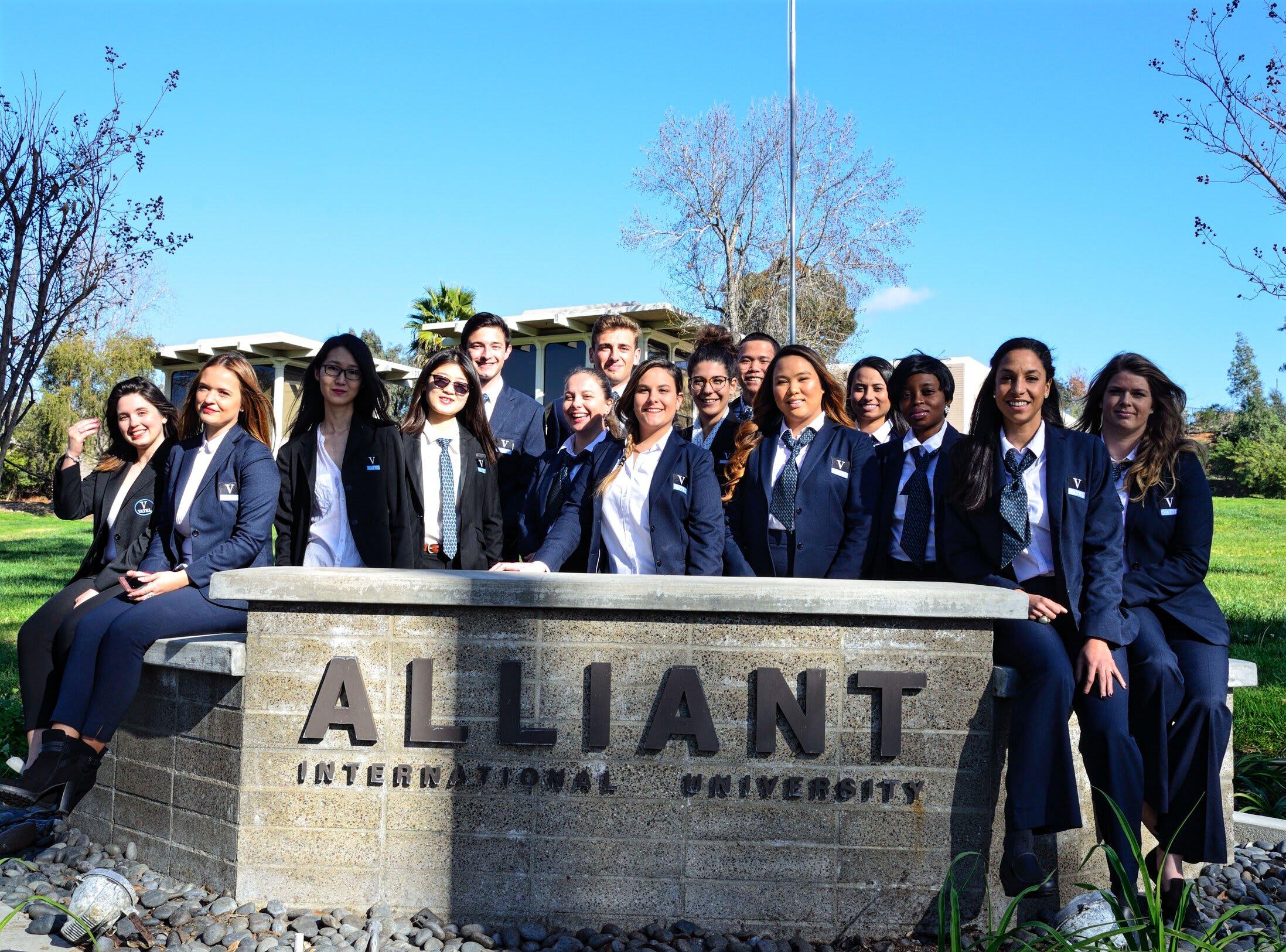
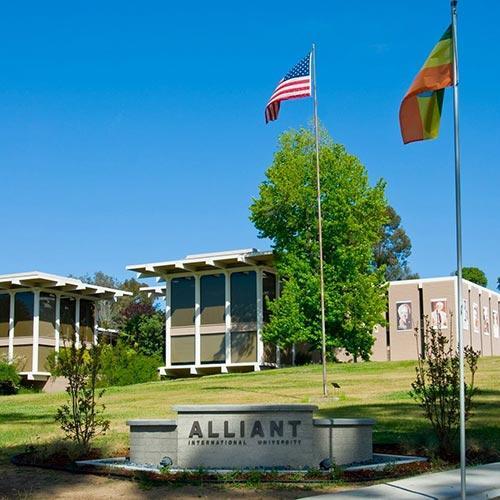
About Alliant International University
Alliant International University: Programs, Admissions, Tuition Fees, and Student Guide
Overview of Alliant International University
Alliant International University, now branded as Alliant University, is a private university in the United States that focuses on preparing students for professional careers through academic learning, practical training, and field-based experience. The university has a strong emphasis on psychology, mental health, education, business, leadership, nursing, healthcare, and forensic studies. Its programs are designed for students who want to develop specialized knowledge and apply it in professional environments.
Alliant offers undergraduate-level study in selected areas, along with master's degrees, doctoral programs, certificates, and professional credentials. Students can explore programs in different formats, including campus-based and online learning, depending on the degree and its requirements. This range of options can be useful for students seeking professional education while balancing other responsibilities.
The university emphasizes learning that connects academic concepts with real-world practice. Depending on the program, students may complete supervised clinical experiences, internships, practical placements, research activities, or other forms of applied learning. These experiences can help students understand how their knowledge is used in workplaces and professional settings.
Alliant's program structure is particularly relevant to students who have a clear interest in a specific career area. Prospective applicants should review the curriculum, professional requirements, location, and delivery format of their intended program before applying. Requirements and available opportunities can differ substantially between academic departments.
Where Is Alliant International University Located?
Alliant University operates in the United States, with campuses in California and Arizona, alongside online study options. Its campus network and program availability vary by academic discipline, so students should confirm the location associated with their chosen degree before making application or relocation plans.
The university's California locations have historically included San Diego, Los Angeles, Irvine, Sacramento, Fresno, and Emeryville. Phoenix is also listed among its locations. However, campus operations and program availability may change as the university adjusts its academic and administrative structure. Some locations are undergoing a planned transition, meaning prospective students should not assume that every listed campus is accepting new students for every program.
San Diego is an important location for students exploring Alliant's academic community. The surrounding region offers access to healthcare organizations, educational institutions, businesses, and community services that may be relevant to professional learning. Los Angeles and other California locations also provide access to large metropolitan environments, although the opportunities available to a student depend on the specific program and placement arrangements.
Online learning can provide an alternative for students whose selected program is offered remotely. Before choosing between online and campus-based study, applicants should consider course delivery, required attendance, practical training, professional licensing rules, and any in-person requirements.
International applicants should also confirm that their chosen program and study location meet the applicable requirements for their immigration status. Admission to a university program and eligibility for a particular visa are separate matters.
Academic Programs at Alliant International University
Alliant's academic offerings cover several professional fields. The best program for an applicant depends on prior education, career interests, academic preparation, and the professional qualifications required for the intended role.
Psychology and Mental Health
Psychology and mental health are central areas of Alliant's academic identity. The university offers programs in clinical psychology, counseling, marriage and family therapy, social work, organizational psychology, and related fields. Depending on the degree, students may study human development, psychological assessment, counseling methods, research, behavioral science, and approaches to supporting individuals and communities.
Some programs are designed for students pursuing professional practice, while others focus on research, leadership, or specialized knowledge. Clinical and counseling pathways can include supervised practical experience and other requirements associated with professional preparation.
Applicants considering psychology or mental health should examine the exact degree title and its professional outcomes. Completing a degree does not automatically guarantee eligibility for independent practice. Licensing requirements vary by profession and state, and students should confirm whether the curriculum and supervised experience meet the standards of the jurisdiction where they intend to work.
Education and Teaching
Alliant offers education-related programs for students interested in teaching, school counseling, school psychology, special education, educational administration, and leadership. These programs can help students develop knowledge of learning environments, student development, educational policy, instructional practice, and school-based support services.
Some programs are designed around professional credentials or preparation for roles in schools and educational organizations. Requirements may include prior academic qualifications, relevant experience, fieldwork, or examinations. Students should review whether their intended program leads to a credential, a graduate degree, or another qualification, since these outcomes are not interchangeable.
Applicants planning to work in education should also consider the licensing or certification requirements of the state where they hope to teach or provide student services. A qualification's recognition and practical value depend on the intended role and applicable regulations.
Business and Technology
Alliant's School of Management and Leadership offers programs in business and technology-related areas. These include business administration, data analytics, information systems technology, healthcare analytics, organizational leadership, and doctoral-level business study.
An MBA may appeal to students seeking broader knowledge of management, strategy, finance, leadership, and organizational decision-making. Technology and analytics programs can be relevant to applicants interested in using data and digital systems to support business operations. The specific courses, learning outcomes, and practical components depend on the selected degree.
Students should compare the curriculum with their professional goals rather than choosing a program solely because of its title. For example, applicants interested in analytics should check the quantitative and technical content, while those considering management should examine the program's leadership, strategy, and business coursework.
Nursing and Health Sciences
Alliant provides selected programs in nursing and health sciences, including nursing pathways and occupational therapy. These fields combine academic study with professional knowledge and, where required, supervised practical training.
Nursing programs may have specific prerequisites, clinical requirements, health documentation, and professional examination expectations. Occupational therapy education also involves requirements tied to professional practice. Students should verify the admission criteria and program accreditation status for their intended qualification before enrolling.
Because healthcare professions are regulated, applicants should confirm whether a program meets the licensing or registration requirements relevant to their planned career and location. International students should also check whether their previous education satisfies the university's entry requirements.
Forensic Studies
Alliant offers programs in forensic science and related areas, including forensic behavioral science and forensic investigation and technology. These subjects examine the application of scientific, behavioral, and investigative methods in legal and public-safety contexts.
Depending on the program, students may explore investigative processes, evidence-related concepts, behavioral analysis, research methods, or the relationship between forensic work and the justice system. Applicants should review the curriculum carefully because forensic programs can differ in their scientific, behavioral, technical, and policy emphasis.
Students interested in these areas should consider the specific professional roles they want to pursue and determine which academic preparation those roles require.
Doctoral Degrees, Certificates, and Credentials
In addition to master's programs, Alliant offers doctoral degrees and selected certificates and credentials. Doctoral study may be appropriate for applicants pursuing advanced professional practice, research, academic work, or senior leadership, depending on the discipline.
Certificates and credentials can provide focused study in a particular subject or professional area. They may suit students who want to develop specific skills without completing a full degree, although the recognition and career value of a certificate depend on its content and the requirements of employers or licensing bodies.
Applicants should compare the duration, credit requirements, prerequisites, and intended outcomes of each option before deciding which qualification best fits their needs.
Admission Requirements at Alliant International University
Admission requirements vary by program and level of study. Applicants should begin by selecting a specific degree and reviewing the requirements for that program rather than relying on a single university-wide checklist.
Undergraduate applicants generally need to demonstrate that they have completed an acceptable level of prior education. Graduate applicants usually need a relevant bachelor's degree or another qualification accepted for their chosen program. Certain degrees may require specific prerequisite courses, professional experience, a statement of purpose, recommendations, a résumé, an interview, or additional materials.
Programs in psychology, counseling, education, nursing, and other professional fields may have requirements that differ from those for business or technology programs. Some programs also include background checks, clinical preparation, supervised practice, or professional documentation.
International applicants must meet the university's applicable academic and enrollment requirements. They may need to provide academic transcripts, proof of degree completion, credential evaluations, certified translations, or evidence of English-language proficiency, depending on their educational background and the program's policies. Applicants should confirm the exact documents required rather than assuming that every applicant follows the same process.
A practical way to prepare is to organize academic records, identity and immigration documents where applicable, and any program-specific materials before submitting the application. Applicants should also check deadlines, application fees, document submission procedures, and whether their chosen intake is available.
Alliant's admissions team can clarify program-specific eligibility, application requirements, and available start dates. Meeting the minimum admission requirements does not necessarily guarantee admission to every program.
Tuition Fees and Cost of Attendance
Tuition at Alliant University varies according to the program, number of units, delivery format, and enrollment circumstances. The university publishes tuition rates by academic year and program category, rather than providing one universal tuition amount for every student.
For the 2026–2027 academic year, published tuition rates include different per-unit amounts across the university's academic areas. For example, the MBA and several business and technology programs are listed at $864 per unit for both campus-based and online study. Other programs, including psychology, counseling, education, nursing, and forensic studies, have their own rates. The lowest published figure in selected program categories is not representative of the cost of an entire degree.
Students should calculate estimated tuition using the number of units required by their chosen program and the applicable rate. Additional expenses may include university fees, books and supplies, housing, food, transportation, personal costs, health insurance where required, and other program-specific expenses.
The university's published cost-of-attendance estimates distinguish between locations and online study. Living expenses can vary considerably according to accommodation choices, transportation needs, and personal circumstances. Students should therefore prepare a budget based on their actual study location and lifestyle rather than relying only on tuition.
Financial aid and institutional scholarships may be available to eligible students, subject to the applicable rules and award conditions. International students should investigate which funding options they may use and whether the conditions apply to their program and enrollment status.
Because tuition and fees can change, applicants should confirm the current rate directly with the university before making financial commitments. They should also ask whether deposits, payment deadlines, and other charges apply to their intended program.
Scholarships and Financial Aid
The cost of university study can be a significant consideration, especially for students relocating to the United States. Alliant provides information about financial aid, scholarships, and other funding options. Availability depends on factors such as the student's eligibility, academic program, enrollment status, and the specific terms of each funding opportunity.
Students should begin by identifying scholarships for which they meet the stated criteria. They should review application deadlines, required documentation, renewal conditions, and whether an award applies to tuition, fees, or other educational expenses. An advertised scholarship should not be treated as guaranteed funding until the student receives an official award decision.
Financial aid options may differ between domestic and international applicants. Students should verify eligibility before including any potential award in their budget. They should also calculate the remaining cost after confirmed funding and consider how they will pay for tuition, accommodation, insurance, and daily expenses.
A realistic financial plan can help applicants compare programs and decide whether a particular study option is affordable over its full duration.
Campus Life and Student Support
A student's university experience involves more than classes and examinations. Academic advising, access to faculty, career preparation, peer relationships, and administrative support can all affect progress through a program.
Alliant's focus on professional education means that the student experience may include applied learning, internships, supervised placements, research, or community-related activities, depending on the degree. These opportunities can help students connect academic learning with the expectations of professional environments.
Campus-based students should investigate the facilities and services available at their specific location. Services and activities can differ between campuses and programs, so it is important to confirm the options relevant to the intended course of study.
Online students should consider the format of instruction, access to academic support, interaction with instructors, and any required in-person components. Applicants who need flexibility should confirm the expected weekly workload and whether practical requirements can be completed in their location.
International students may need additional support with orientation, immigration documentation, housing, health insurance, and adapting to a new academic environment. Students should use official university guidance and keep track of requirements that affect enrollment and immigration status.
Career Preparation and Professional Opportunities
Alliant's career-oriented programs are designed to connect academic learning with professional practice. Depending on the subject, this may involve practical placements, internships, clinical experiences, research, applied projects, or coursework based on workplace challenges.
The value of these experiences depends on the program and the student's participation. Applicants should investigate how their intended degree prepares graduates for relevant roles, whether supervised experience is included, and what additional qualifications may be needed after graduation.
Career outcomes also vary by profession and location. Psychology, counseling, teaching, nursing, occupational therapy, business, analytics, and forensic work can involve different licensing, certification, and employer requirements. A degree may provide academic preparation without independently authorizing a graduate to practise in a regulated occupation.
Students can improve their career planning by identifying target roles early, reviewing job requirements, building relevant skills, and seeking guidance from faculty and career services where available. Networking, professional experience, and practical competencies can complement academic qualifications.
Applicants should review verified program-level information and avoid relying on broad employment promises that do not specify the degree, profession, location, or outcome being measured.
International Student Information
Alliant welcomes applications from international students, but applicants must satisfy both the university's admission requirements and any immigration requirements that apply to their circumstances.
International applicants should confirm whether their chosen program is available to them, whether the study format supports their intended immigration status, and which campus or location is associated with enrollment. Online study and campus-based study may have different implications for immigration eligibility, so students should obtain program-specific guidance before making plans.
Applicants may need to provide academic documents, English-language evidence, financial documentation, and other materials depending on their situation. After admission, additional steps may be required before travel and enrollment. These can include immigration documentation, visa procedures, health insurance, housing arrangements, and pre-departure preparation.
A university admission offer does not guarantee visa approval. Visa decisions are made by the relevant government authorities, and applicants must follow the current requirements for their individual case. Students should use official immigration guidance and university support services to understand the process.
International applicants should also budget for expenses beyond tuition, including accommodation, food, transportation, insurance, and travel. Preparing documents and finances early can make the transition to studying in the United States more manageable.
Accreditation and Academic Recognition
Accreditation is an important factor when evaluating a university. Alliant University is institutionally accredited by the WASC Senior College and University Commission, commonly known as WSCUC. Certain programs also hold specialized accreditation or approval relevant to their academic and professional fields.
Program-specific recognition matters because the requirements for entering a profession can differ from general university accreditation. Students interested in psychology, nursing, social work, education, counseling, or other regulated areas should verify the current accreditation and approval status of the exact program they plan to pursue.
Applicants should also consider where they intend to use their qualification after graduation. Recognition, licensing, and credential evaluation can vary by state and country. Students planning to work outside the United States should investigate the requirements of the relevant professional bodies or employers before enrolling.
Checking accreditation and recognition before applying helps students understand the academic standing of their chosen program and whether it aligns with their long-term goals.
Why Consider Alliant International University?
Alliant may be worth considering for students seeking specialized professional education in psychology, mental health, education, business, healthcare, nursing, or forensic studies. Its range of graduate and professional programs provides options for applicants with different academic backgrounds and career ambitions.
The university's emphasis on applied learning may appeal to students who want to connect theoretical study with professional practice. A choice of campus-based and online formats across selected programs can also provide flexibility, although the available options depend on the degree.
The right decision requires more than comparing university names. Students should assess the curriculum, admission requirements, tuition, location, learning format, accreditation, professional outcomes, and available support services. They should also confirm that the campus and program they select are accepting students for their intended intake.
Prospective applicants can make a stronger decision by comparing Alliant's specific program with alternatives in the same field and calculating the full cost of attendance. Speaking with admissions representatives and reviewing official program information can help resolve questions before submitting an application.
Frequently Asked Questions About Alliant International University
Is Alliant International University the same as Alliant University?
The institution previously used the name Alliant International University and now brands itself as Alliant University. Applicants should use the university's current official information when reviewing programs, admissions, and fees.
Where is Alliant University located?
Alliant operates in the United States, with locations in California and Arizona and online study options. The exact location depends on the program, and some campus operations are undergoing planned transitions.
What programs does Alliant University offer?
Its academic areas include psychology and mental health, education, business and technology, nursing and health sciences, and forensic studies. Available degrees include selected bachelor's, master's, doctoral, certificate, and credential programs.
How much does it cost to study at Alliant University?
Tuition depends on the program, unit requirements, and study format. For 2026–2027, published rates vary across academic areas, so students should consult the rate for their chosen program and calculate additional living and educational expenses.
Does Alliant University offer online programs?
Yes. Alliant lists online options in selected fields, including business, education, psychology, and forensic studies. Applicants should confirm whether their specific program is available online and whether it includes in-person requirements.
Is Alliant University accredited?
Alliant University is institutionally accredited by the WASC Senior College and University Commission. Certain programs also have specialized accreditation or professional approvals. Applicants should verify the current status of their specific program.
Can international students apply to Alliant University?
International applicants are welcome to apply, subject to the academic and enrollment requirements of their chosen program. They should also confirm applicable immigration, documentation, and financial requirements before planning to study in the United States.
Does admission guarantee a student visa?
No. Admission and visa approval are separate decisions. Applicants must meet the requirements established by the relevant government authorities and should follow official guidance for their individual circumstances.
Conclusion
Alliant International University, currently branded as Alliant University, offers professional education across psychology, mental health, education, business, nursing, healthcare, and forensic studies. Its combination of specialized programs, applied learning opportunities, and selected online options may suit students seeking education aligned with a defined professional goal.
Before applying, prospective students should verify program availability, academic eligibility, tuition, campus location, accreditation, and any licensing or immigration requirements relevant to their plans. Reviewing these details carefully can help students select a program that fits their academic background, financial circumstances, and long-term career objectives.
Entry Requirements
General Entry Requirement
IELTS 6.5 overall
Fees & Scholarships
Annual Tuition Fees
USD 35,000 - USD 55,000
Ready to Apply to Alliant International University?
Our advisors guide you from eligibility check to offer letter — at no cost to you.
Join our WhatsApp Community
.jpeg)
Scan to join our student community for admission updates & guidance