
Annual FeesCAD 20,000 – CAD 40,000
Acadia University
LocationCanada
Entry RequirementIELTS 6.5 overall
Visa Success Rate60%
Campus Photos
Acadia University

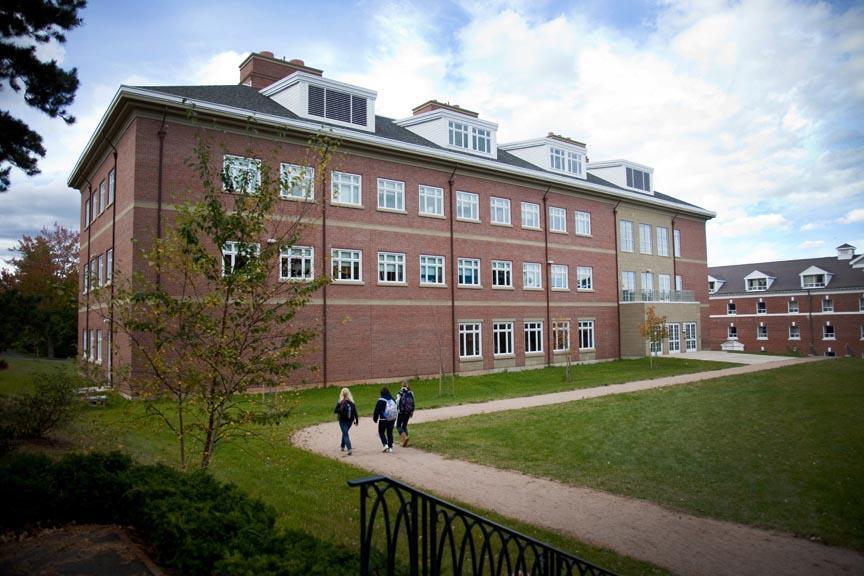
About Acadia University
Acadia University: Courses, Fees, Admission & International Student Guide
Acadia University is a public university located in Wolfville, Nova Scotia, Canada. Founded in 1838, it is one of Canada's older universities and has developed a reputation for undergraduate-focused education, a close-knit campus environment and a broad selection of academic programs.
The university offers undergraduate and graduate programs across areas such as business, computer science, engineering, environmental science, biology, psychology, education, music, arts and social sciences.
For international students, Acadia provides the opportunity to study in a smaller Canadian university town while experiencing campus life in Nova Scotia.
What is Acadia University Known For?
Acadia University is particularly known for its undergraduate education, small-campus environment and liberal arts and sciences foundation.
The university offers programs across several academic areas, including:
- Business
- Computer Science
- Biology
- Chemistry
- Environmental Science
- Psychology
- Engineering
- Education
- Music
- Economics
- Political Science
- Sociology
- Mathematics
- Physics
- History
- English
- Kinesiology
Acadia combines classroom education with research, experiential learning and student activities.
Its location in Wolfville also gives students access to the Annapolis Valley, an area known for agriculture, natural landscapes and outdoor activities.
Rankings – Acadia University
Acadia University appears in Canadian and international university rankings, although its position can vary depending on the ranking organization and methodology.
Students should not evaluate the university solely through an overall ranking. Factors such as the quality of the selected program, class environment, tuition, location, research opportunities and career support can be more directly relevant.
For students looking for an undergraduate-focused university, the academic and campus experience should be considered alongside ranking information.
Why Do University Rankings Matter?
Rankings can help students compare institutions, but they represent only one part of the university-selection process.
When considering Acadia University, students should also look at:
- Program availability
- Tuition fees
- Admission requirements
- Scholarships
- Campus location
- Accommodation
- Student support
- Career opportunities
- Research opportunities
- Co-op or experiential learning options
Comparing these factors can help students understand whether a particular program fits their goals.
Quick Facts About Acadia University
|
Category |
Details |
|
University |
Acadia University |
|
Type |
Public university |
|
Founded |
1838 |
|
Country |
Canada |
|
Province |
Nova Scotia |
|
Location |
Wolfville |
|
Language of Instruction |
English |
|
Undergraduate Programs |
Yes |
|
Graduate Programs |
Yes |
|
International Students |
Yes |
|
Major Areas |
Business, Science, Computer Science, Engineering, Arts, Education and more |
|
Application Fee |
Program and applicant dependent |
|
IELTS |
Generally 6.5 overall, with program-specific requirements possible |
Is Acadia University a Good Choice for International Students?
Acadia University offers international students the opportunity to study in a relatively small university community rather than a large metropolitan environment.
Wolfville is a university town in Nova Scotia, and Acadia's campus forms an important part of the local community.
International students can participate in student organizations, athletics, cultural activities and academic events.
The university also provides international student services designed to help students adjust to academic and social life in Canada.
For students who prefer a smaller campus and closer interaction with faculty and classmates, the university's environment may be particularly relevant.
Campus and Location – Wolfville, Nova Scotia
Acadia University is located in Wolfville in Nova Scotia's Annapolis Valley.
Wolfville provides a smaller-town setting while remaining within reach of larger Nova Scotian communities.
The campus includes:
- Academic buildings
- Libraries
- Laboratories
- Student residences
- Athletic facilities
- Dining facilities
- Student activity spaces
- Research facilities
- Study areas
The surrounding Annapolis Valley provides opportunities for outdoor activities, hiking and exploring the region.
Courses at Acadia University
Acadia offers programs across a wide variety of academic disciplines.
Business
Business programs can cover areas such as:
- Accounting
- Finance
- Marketing
- Management
- Economics
- Entrepreneurship
Students can develop knowledge of business operations, financial management, marketing strategy and organizational decision-making.
Business education can prepare students for careers across private companies, public organizations, financial services and entrepreneurial ventures.
Computer Science
Acadia University offers computer science education covering fundamental and advanced computing concepts.
Students can study areas such as:
- Programming
- Software development
- Algorithms
- Data structures
- Databases
- Computer systems
- Artificial intelligence
- Computer networks
Computer science students can develop technical and problem-solving skills that can be applied across technology-related careers.
Biology and Life Sciences
Biology programs allow students to study living organisms and biological systems.
Possible areas of study include:
- Cell biology
- Ecology
- Genetics
- Molecular biology
- Marine biology
- Evolution
- Environmental biology
Students interested in research, healthcare, environmental science or postgraduate study can use biology as a foundation for further education.
Environmental Science
Environmental programs explore the relationship between natural systems and human activity.
Students can study topics such as:
- Environmental management
- Ecology
- Conservation
- Climate
- Natural resources
- Environmental policy
- Sustainability
The Annapolis Valley and Nova Scotia provide opportunities for students to experience diverse natural environments.
Psychology
Psychology students study human behaviour, cognition and mental processes.
Coursework can cover areas including:
- Developmental psychology
- Social psychology
- Cognitive psychology
- Research methods
- Behaviour
- Neuroscience
A psychology degree can also provide preparation for further study in psychology, counselling, health sciences or related disciplines.
Engineering
Acadia provides engineering education through its academic offerings and engineering pathways.
Students interested in engineering can develop knowledge in areas involving mathematics, science, design and applied problem-solving.
Engineering students should review the specific program structure and professional requirements associated with their chosen pathway.
Education
Acadia University offers education programs designed for students interested in teaching and educational careers.
Students can develop knowledge in:
- Teaching methods
- Curriculum
- Educational psychology
- Classroom management
- Assessment
- Educational theory
Program requirements can vary depending on the level and teaching specialization.
Arts and Humanities
Arts and humanities programs include subjects such as:
- English
- History
- Philosophy
- Languages
- Classics
- Music
These programs can develop communication, research, writing and critical-thinking skills.
Social Sciences
Social science disciplines include areas such as:
- Economics
- Political Science
- Sociology
- Psychology
- Community Development
Students can explore social structures, economic systems, government, communities and human behaviour.
Popular Areas of Study
Some of Acadia University's prominent study areas include:
- Business
- Computer Science
- Biology
- Environmental Science
- Psychology
- Engineering
- Education
- Economics
- Mathematics
- Music
- Political Science
- Sociology
Students should select their program based on academic interests, career goals and the specific curriculum rather than popularity alone.
Student Life at Acadia University
Student life is an important part of the Acadia experience.
Students can participate in:
- Student clubs
- Societies
- Sports
- Athletics
- Cultural activities
- Academic organizations
- Volunteer activities
- Campus events
The university's relatively compact campus can make it easier for students to participate in different activities and interact with classmates.
International students can also join multicultural activities and build connections with students from Canada and other countries.
Campus Facilities
Acadia's campus provides facilities that support academic, recreational and social activities.
Students can access:
- Libraries
- Science laboratories
- Computer facilities
- Lecture rooms
- Research facilities
- Athletic facilities
- Fitness facilities
- Dining areas
- Residence facilities
- Student activity spaces
Facilities can vary according to the student's program and academic department.
Careers and Employability
Acadia University provides students with opportunities to develop academic knowledge and professional skills.
Career development can involve:
- Career advising
- Resume preparation
- Interview preparation
- Employer events
- Networking
- Experiential learning
- Academic and career planning
Students can use these services to prepare for internships, employment and further education.
The career pathway ultimately depends on the student's chosen discipline, experience and qualifications.
Experiential Learning
Experiential learning allows students to connect academic concepts with practical experiences.
Depending on the program, students may have opportunities involving:
- Research projects
- Internships
- Field studies
- Community projects
- Laboratory work
- Work placements
These experiences can help students develop communication, teamwork, research and problem-solving skills.
Tuition Fees at Acadia University
Tuition at Acadia University varies depending on the student's program, course load and status.
For international students, the total annual cost includes tuition as well as additional university and student fees.
A general planning range for international students can be approximately CAD 20,000 to CAD 40,000, depending on the program and academic year.
Students should also budget separately for:
- Accommodation
- Food
- Transportation
- Books
- Health insurance
- Personal expenses
- Other student fees
Professional and specialized programs may have different costs.
Scholarships for International Students
Acadia University provides scholarship and financial-support opportunities for eligible students.
International applicants may be considered for entrance scholarships based on academic performance and other criteria.
Scholarships can vary according to:
- Academic achievement
- Program
- Applicant profile
- Admission status
- Application timing
Students should check the requirements and deadlines for each scholarship before planning their finances around an award.
Admission Requirements
Admission requirements depend on the chosen program and the student's educational background.
International undergraduate applicants generally need to have completed an appropriate secondary-school qualification.
Depending on the program, prerequisite subjects can include:
- Mathematics
- Biology
- Chemistry
- Physics
- English
- Other program-specific subjects
Some programs may have additional academic requirements.
Students should therefore review the requirements for their particular degree before applying.
English Language Requirements
English is the primary language of instruction at Acadia University.
International applicants may need to demonstrate English-language proficiency through an approved test.
A commonly listed requirement is IELTS Academic 6.5 overall, although exact requirements can vary by program and applicant background.
Other recognized English-language tests may also be accepted.
Students who completed previous education in an English-language environment may qualify for an exemption depending on the university's rules.
International Student Application Process
International students generally need to complete several stages when applying.
Step 1: Choose a Program
Research the available undergraduate or graduate programs and select the course that matches your goals.
Step 2: Review Admission Requirements
Check academic prerequisites and English-language requirements.
Step 3: Prepare Documents
Common documents can include:
- Academic transcripts
- Graduation certificates
- English-language test results
- Identification documents
- Program-specific documents
Step 4: Submit the Application
Complete the application and pay the applicable application fee.
Step 5: Receive the Admission Decision
Once the application and required documents have been assessed, the university provides an admission decision.
Applicants should monitor their application and respond to any additional requests.
Intakes at Acadia University
The primary undergraduate intake is generally the Fall semester, which begins in September.
Some programs may provide additional entry options.
Students should confirm the available intake for their selected program because not every course necessarily accepts applications for every semester.
Applying early is especially important for international students because additional time may be required for study-permit arrangements and travel planning.
Accommodation at Acadia University
Acadia University provides residence options for students.
Living on campus can give students convenient access to:
- Classrooms
- Libraries
- Dining facilities
- Student activities
- Athletic facilities
- Campus events
Residence options and costs vary according to room type and accommodation arrangement.
Students can also explore off-campus housing in Wolfville and surrounding areas.
International students should arrange accommodation as early as possible.
Cost of Living in Wolfville
Wolfville has a smaller-town environment compared with major Canadian cities.
Students still need to budget for:
- Rent
- Food
- Transportation
- Utilities
- Mobile phone
- Internet
- Entertainment
- Personal expenses
The overall cost will depend on whether the student lives on campus, shares accommodation or rents privately.
Students should prepare a realistic monthly budget before arriving in Canada.
International Student Support
Acadia University provides services for international students to help them transition into university and Canadian life.
Support can include:
- Orientation
- Academic advising
- Immigration-related guidance
- Health and wellness services
- Career support
- Housing guidance
- Student activities
- Cultural programs
International students can also participate in campus organizations to build friendships and professional connections.
Research Opportunities
Research is an important part of Acadia University's academic environment.
Research activities span areas such as:
- Biology
- Environmental science
- Chemistry
- Physics
- Computer science
- Psychology
- Business
- Marine and ecological studies
- Social sciences
Undergraduate students may have opportunities to participate in research projects depending on their academic department.
Graduate students can pursue research-based study in relevant disciplines.
Why Study in Nova Scotia?
Nova Scotia offers a distinctive Canadian study environment.
Students can experience:
- Coastal landscapes
- Historic communities
- Outdoor activities
- Universities and colleges
- Multicultural communities
- Atlantic Canadian culture
Studying at Acadia allows students to experience a university-town environment while remaining within the wider Atlantic Canadian region.
Post-Graduation Work Opportunities
International students considering Acadia University should review Canada's current post-graduation work-permit rules before selecting their program.
Eligibility can depend on:
- Institution
- Program
- Program length
- Study format
- Current immigration policies
Students should verify the rules applicable to their specific program before enrolling.
Graduates may pursue employment related to their education, subject to their qualifications and Canadian work authorization.
The Honest Verdict – Is Acadia University Right for You?
Acadia University provides a smaller-campus Canadian university experience with a broad range of undergraduate programs.
Its location in Wolfville distinguishes it from universities located in large metropolitan centres. Students can experience a university-town environment while studying in Nova Scotia.
The university offers academic pathways across business, computer science, science, environmental studies, psychology, education, engineering, arts and social sciences.
Students considering Acadia should carefully compare their preferred program, tuition, accommodation options, admission requirements and career opportunities.
Acadia University May Suit Students Who...
- Prefer a smaller university environment
- Want to study in Nova Scotia
- Are interested in undergraduate education
- Want to study business
- Are interested in computer science
- Want to study biology or environmental science
- Are interested in psychology
- Want an active campus experience
- Prefer a university-town setting
- Are interested in research or experiential learning
Students Should Carefully Consider...
- The exact tuition for their program
- Accommodation availability
- Program-specific admission requirements
- English-language requirements
- Available intake
- Career opportunities in their chosen field
- Current Canadian immigration requirements
Frequently Asked Questions About Acadia University
Is Acadia University a public university?
Yes. Acadia University is a public university in Nova Scotia, Canada.
Where is Acadia University located?
Acadia University is located in Wolfville, Nova Scotia, in Canada's Annapolis Valley.
When was Acadia University founded?
Acadia University was founded in 1838.
Does Acadia University accept international students?
Yes. Acadia welcomes international students into eligible undergraduate and graduate programs.
What IELTS score does Acadia University require?
A commonly listed undergraduate English-language requirement is IELTS Academic 6.5 overall, although requirements can vary by program and applicant background.
What programs does Acadia University offer?
Programs cover business, computer science, biology, environmental science, psychology, engineering, education, arts, social sciences, music and other fields.
Does Acadia University offer scholarships?
Yes. Eligible students can access entrance scholarships and other financial-support opportunities.
Does Acadia University provide student accommodation?
Yes. Residence options are available for students, subject to availability.
Is Acadia University good for international students?
Acadia offers international students a smaller campus environment, a broad academic selection and student-support services. Students should evaluate the university according to their specific program and goals.
Does Acadia University offer Computer Science?
Yes. Computer Science is among the university's academic areas.
Does Acadia University offer Business programs?
Yes. Business-related study includes areas such as accounting, finance, marketing, management and economics.
What is Acadia University known for?
Acadia is known for its undergraduate-focused education, campus community, broad liberal arts and sciences offering and location in Wolfville, Nova Scotia.
A Final Word – Studying at Acadia University
Acadia University offers students the opportunity to study in a historic Canadian university environment in Wolfville, Nova Scotia.
Its academic portfolio includes business, computer science, science, environmental studies, psychology, engineering, education, arts and social sciences.
For international students, the university combines academic opportunities with a smaller campus setting and access to the wider Atlantic Canadian region.
Before applying, students should review the exact admission requirements, tuition, scholarship opportunities, accommodation options and intake dates for their selected program.
Students should also consider the cost of living in Wolfville and understand the current Canadian immigration rules that may affect their studies and post-graduation plans.
For students who value a smaller university community, undergraduate-focused education and a campus experience in Nova Scotia, Acadia University provides a distinctive option to explore.
Entry Requirements
General Entry Requirement
IELTS 6.5 overall
Fees & Scholarships
Annual Tuition Fees
CAD 20,000 – CAD 40,000
Ready to Apply to Acadia University?
Our advisors guide you from eligibility check to offer letter — at no cost to you.
Join our WhatsApp Community
.jpeg)
Scan to join our student community for admission updates & guidance