
Annual FeesUSD 50,000 - USD 80,000
Academy of Art University
LocationUS
Entry RequirementIELTS 6.5 overall
Visa Success Rate69%
Campus Photos
Academy of Art University
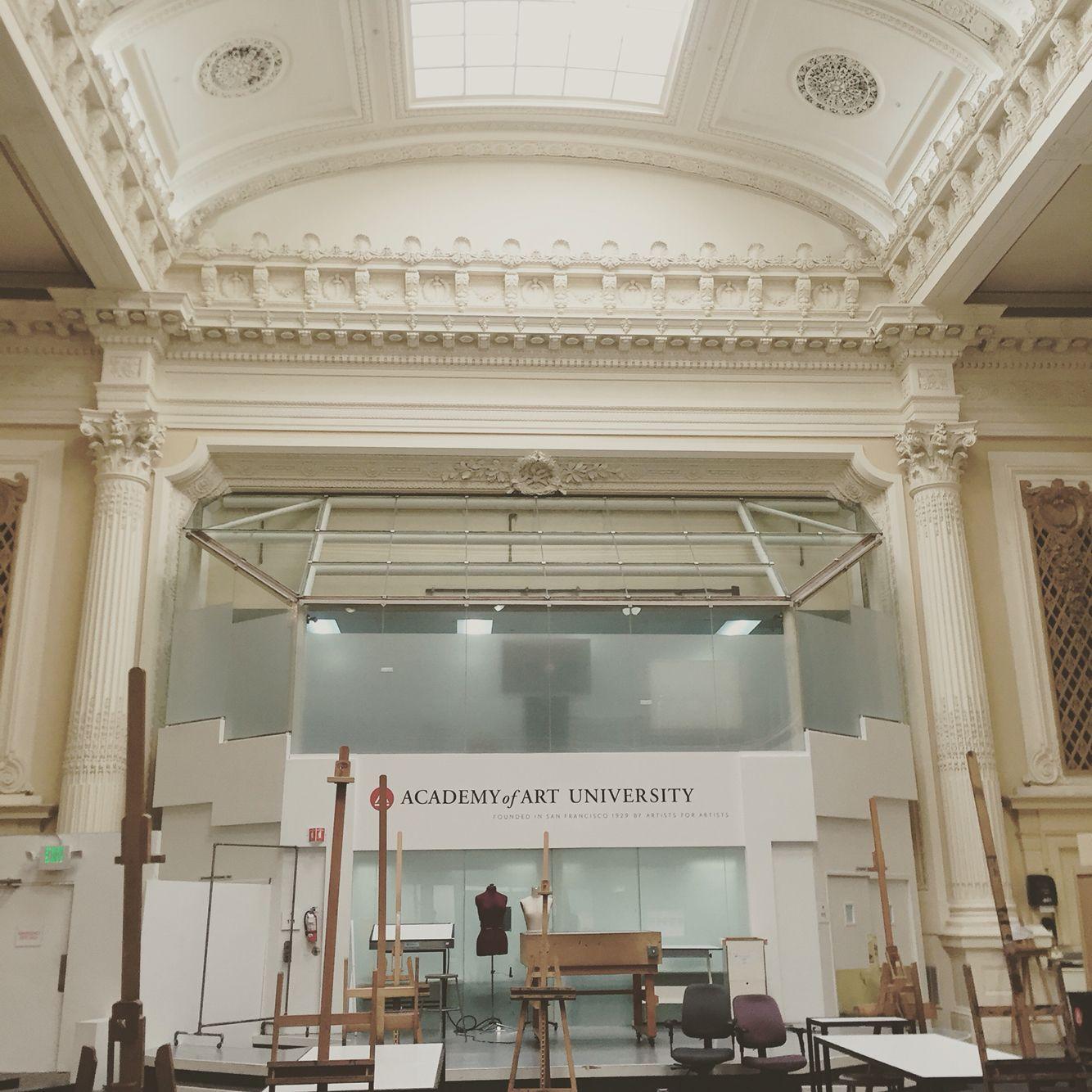

About Academy of Art University
Academy of Art University: Courses, Fees, Admission Requirements and Campus Life
Overview of Academy of Art University
Academy of Art University is a private university located in San Francisco, California, United States. Founded in 1929, the institution focuses on art, design, architecture, fashion, communication, entertainment and related creative disciplines. Its educational approach emphasizes creative development, technical skills, practical projects and the preparation of students for professional work in creative industries.
The university offers undergraduate and graduate degrees, associate degrees, certificates and other educational options. Students can explore fields such as animation, visual effects, graphic design, illustration, fashion, architecture, industrial design, interior architecture, game development, photography, advertising and digital media.
Academy of Art University is particularly relevant to students who want to develop a creative portfolio alongside their academic qualifications. Depending on the program, students may work on design projects, digital productions, visual communication, architectural concepts or other discipline-specific assignments.
The university also offers online education, allowing students to explore selected programs and courses without attending classes exclusively on campus. International students who plan to study in San Francisco should review the university's on-campus admission procedures, English-language requirements, financial documentation and visa-related instructions.
Academy of Art University may suit students who want a specialized education in creative fields rather than a broad, traditional liberal arts university experience. Applicants should carefully compare the curriculum, tuition, facilities and portfolio expectations of their intended program before applying.
Why Choose Academy of Art University?
Specialized Creative Education
The university concentrates on creative disciplines and provides educational options across several artistic and design-related industries. Students can explore the relationship between creative thinking, technical execution and professional practice.
For example, animation students may focus on storytelling and visual production, while graphic design students may develop skills in visual communication and digital design. Architecture and industrial design programs emphasize different approaches to the built environment, products and spatial experiences.
Students should review the curriculum of their chosen degree to understand how much time is devoted to foundational skills, advanced projects, technical tools and professional preparation.
Portfolio Development
A portfolio is an important part of many creative careers because it demonstrates a person's ability to communicate ideas visually and complete practical work. Students at Academy of Art University can use projects completed during their studies to develop a body of work relevant to their chosen discipline.
The exact portfolio expectations depend on the subject and level of study. Undergraduate applicants are not required to submit an art portfolio for admission, although the university says that doing so may help the application process. Graduate international applicants must submit a portfolio in their chosen discipline, with detailed descriptions of their work.
Students should consider portfolio development an ongoing process rather than something to complete only at the end of a degree. A well-organized portfolio can help demonstrate creative thinking, technical ability, problem-solving and the progression of a project from concept to completion.
Programs Connected with Creative Industries
Academy of Art University offers programs in areas including animation, visual effects, game development, advertising, branded media, fashion, architecture, graphic design and interaction design.
Some degrees combine creative practice with technology. The university identifies a range of STEM-designated programs across its academic offerings. International students interested in these programs should confirm the designation of their exact degree and understand that eligibility for Optional Practical Training depends on the applicable immigration rules and individual circumstances.
San Francisco Location
The university is located in San Francisco, California. The city provides an urban setting with access to cultural institutions, design communities, technology companies, creative organizations and a variety of public events.
Students can explore the city's creative environment while pursuing their studies. However, San Francisco is also a high-cost place to live, so accommodation, food, transportation, insurance and other living expenses require careful planning.
Students should compare on-campus and off-campus housing options and understand how their housing choice affects the total cost of attendance.
Online Learning Options
The university offers online education in selected programs and courses. Online study can provide flexibility for students who cannot attend classes on campus, although the available degree options and course structures may differ from those offered to on-campus students.
International students who need an F-1 student visa should carefully confirm whether their intended program and mode of study meet the requirements for their immigration status. Online study should not automatically be assumed to qualify for an on-campus student visa.
Popular Courses and Academic Areas
Academy of Art University offers a wide selection of creative programs. Availability and degree titles depend on the academic department, study level and current course catalogue.
Animation and Visual Effects
Animation and Visual Effects is an option for students interested in bringing characters, environments and stories to life through digital production and visual techniques.
Depending on the program, students may explore animation principles, modeling, texturing, lighting, compositing, storytelling and production workflows. These subjects can help students understand how creative concepts are developed into finished visual work.
Students considering this field should review the software, technical requirements and project expectations of their intended degree. Developing a portfolio that demonstrates both creativity and technical execution can be valuable when preparing for employment in animation, visual effects or related industries.
Game Development and Programming
Game Development and Programming combines creative design with technical problem-solving. Students may explore game mechanics, programming, interactive systems, digital environments and related aspects of game production.
The balance between artistic and technical subjects depends on the selected program. Applicants should check whether their intended degree emphasizes programming, game design, visual development or a combination of these areas.
Students can prepare for this field by building small projects, learning relevant software and programming tools, and documenting their contributions to collaborative work. Employers may evaluate a portfolio, technical ability and project experience in addition to academic qualifications.
Graphic Design and Digital Media
Graphic Design and Digital Media is relevant to students interested in visual communication, branding, typography, digital layouts and the presentation of information.
Coursework may involve developing visual concepts, creating design systems and learning how to communicate messages through images and typography. Students can use projects to demonstrate their ability to solve communication problems and adapt designs to different audiences or formats.
Graduates may explore opportunities in graphic design, digital media, branding, advertising and related creative work, depending on their skills and experience.
Fashion
Students interested in clothing, textiles and fashion-related industries can explore fashion programs at the university. Depending on the degree, study may involve design development, fashion illustration, garment construction, materials, production and the broader fashion business.
Applicants should review the curriculum to understand the balance between creative design and technical practice. Practical work and a strong portfolio can help students demonstrate their approach to materials, form, function and visual identity.
Career paths vary according to specialization and may include fashion design, product development, styling, technical design or related roles. Employment depends on professional skills, experience and industry conditions.
Architecture and Interior Architecture
Architecture and interior architecture programs focus on the design of buildings, interiors and spaces. Students may explore design principles, drawing, modeling, materials, spatial planning and digital tools.
Architecture-related degrees can have specific academic structures and professional requirements. Applicants should check whether the program is intended as a pre-professional or professional degree and investigate any additional steps required for architectural licensure in the jurisdiction where they intend to work.
Students interested in interior architecture should also review the program's focus on spatial experiences, building systems, materials and design practice.
Industrial Design
Industrial Design is suitable for students interested in developing products and improving how people interact with objects and systems. Students may study concept development, sketching, model-making, digital design, materials and user-centered problem-solving.
Projects can help students learn to balance appearance, usability, manufacturing considerations and user needs. A portfolio may demonstrate the progression from initial research and sketches to prototypes and final design concepts.
Professional opportunities can include product design, design research and related creative or technical roles, depending on the student's specialization and experience.
Illustration and Fine Arts
Illustration and fine arts programs support students interested in drawing, painting, visual storytelling and other forms of artistic expression. Depending on the discipline, coursework may combine foundational techniques with specialized methods and independent creative projects.
Students should examine the curriculum to understand the materials, techniques and conceptual approaches emphasized by the program. Developing a distinctive body of work can help students communicate their artistic direction and prepare for further study or professional opportunities.
Photography and Motion Pictures
Photography and motion-picture-related study can appeal to students interested in visual storytelling, image-making and production. Depending on the course, students may work with photography equipment, lighting, composition, editing, narrative development or production processes.
Students should check the technical facilities, software requirements and practical components of their selected degree. Projects can help them develop a body of work that demonstrates their creative decisions and technical capabilities.
Advertising and Branded Media
Advertising and branded media programs explore how creative concepts communicate messages about products, services, organizations and ideas. Students may study visual communication, campaign development, digital content and related production techniques.
These subjects can be relevant to students interested in advertising agencies, creative studios, brand communication and digital media. Applicants should review the balance between design, strategy and production in the curriculum before selecting a program.
Admission Requirements for International Students
Academy of Art University has an international admissions process for students applying to its on-campus programs. Requirements depend on the degree level, previous education and the intended field of study.
Undergraduate Admission
Undergraduate applicants generally need to provide evidence of completed secondary education. The university requests official high school transcripts and a diploma or equivalent documentation.
Applicants who have attended another college or university may also need to provide college transcripts showing the subjects studied, grades, credits and hours completed.
An art portfolio is not required for undergraduate admission, although the university indicates that a portfolio may support the application. Students who are beginning their creative education should therefore focus on meeting the academic and documentation requirements while exploring how their existing work could demonstrate their interests.
Graduate Admission
Graduate applicants generally need a recognized bachelor's degree or equivalent qualification. International graduate applicants must submit a portfolio in their chosen discipline, accompanied by detailed descriptions of their work.
Additional application materials can include official academic transcripts, a statement of intent, a résumé and other documents requested by the university or program. Some majors may require letters of recommendation or further evidence of academic or professional preparation.
Applicants should verify the requirements for their specific degree. A portfolio that is suitable for one creative discipline may not meet the expectations of another, so students should seek the relevant guidelines before submitting their work.
English-Language Proficiency
International students are required to complete an accepted English-language assessment before attending classes, according to the university's published international admissions guidance. Accepted assessments include TOEFL, IELTS, the Duolingo English Test and LanguageCert.
The university states that most programs do not have a minimum English test score required for admission. However, English-language proficiency is evaluated, and students who need additional support may be placed in English for Art Purposes courses. These courses focus on the language and communication skills needed for academic work, including understanding lectures, completing assignments and participating in critiques.
The Master of Arts in Art Education has a minimum English-language score requirement. Applicants considering that program should contact international admissions for the applicable score.
Students should confirm the current testing procedure, score-submission deadlines and any program-specific conditions before arranging an examination.
Application Documents
International applicants may need to prepare:
- Official high school transcripts and proof of graduation for undergraduate admission.
- Official college transcripts and degree certificates, where applicable.
- A valid passport copy.
- Required financial documents, including an official bank letter.
- An affidavit of support from the applicant or sponsor.
- English-language assessment results, according to the university's instructions.
- A portfolio for graduate applicants.
- Additional documents requested by the selected program.
Applicants should ensure that academic documents are submitted in the required format and that any necessary translations are arranged. The international admissions office can clarify the documents needed for an individual application.
Financial Documentation and Visa Preparation
International students planning to study on campus must demonstrate that they can cover the estimated cost of attendance. The university requests official financial documentation and an affidavit of support as part of its process.
Students who are admitted and plan to study in the United States must follow the university's instructions for the Form I-20 and F-1 visa process. The university also specifies a tuition deposit after visa issuance to confirm enrollment; students should verify the current amount and payment deadline with admissions.
Admission to the university does not guarantee visa approval. Applicants should follow official instructions and avoid making non-refundable arrangements until they understand the relevant requirements and risks.
Tuition Fees and Cost of Attendance
The cost of studying at Academy of Art University depends on the degree, number of units, course fees, materials, study mode, housing and personal expenses. Creative programs may also require supplies, software, equipment or other materials that vary by discipline.
For the 2026–2027 academic year, the university's published tuition rate for international undergraduate students is USD 1,682 per unit for the Fall 2025–Summer 2026 period, with rates changing for the following academic year. Students should use the current tuition schedule when calculating their budget rather than relying on an earlier rate.
Graduate international tuition is also charged by the unit, and the rate differs from undergraduate tuition. The final amount depends on the number of units taken and the specific program.
Students should distinguish tuition from the total cost of attendance. Other expenses may include course fees, materials and supplies, housing, food, transportation, health insurance and personal spending. The university's estimated cost of attendance is based on students living in university-provided housing; students arranging their own accommodation need to research and budget for their actual costs.
Because San Francisco living expenses can be substantial, applicants should obtain a detailed current cost estimate before accepting an offer. They should also allow for program-specific equipment and materials, which may be especially important in art, design, architecture, fashion and media courses.
Scholarships and Financial Planning
Academy of Art University publishes scholarship opportunities for eligible students, including opportunities for international students. Awards may depend on academic merit, financial need, portfolio submissions and the terms of a particular scholarship.
Applicants should confirm eligibility, application requirements, award amounts and the period covered. Scholarship availability and conditions can change, and an award should not be treated as guaranteed until it is formally confirmed.
The university's international admissions guidance states that international students should not rely on US employment to finance their studies. Students should prepare a realistic budget that covers tuition, course fees, materials, housing, food, insurance, transportation and other expenses for the full period of study.
Students should also review the financial documentation required for enrollment and the visa process. Planning in advance can help applicants understand the resources needed before they commit to a program.
Campus Life in San Francisco
Academy of Art University offers students an urban learning environment in San Francisco. Its academic facilities and programs are distributed across university buildings in the city, creating a different campus experience from that of a university with a single enclosed residential campus.
Students can explore cultural institutions, galleries, creative organizations, public events and the wider San Francisco community. These surroundings may be particularly relevant to students interested in visual arts, fashion, design, advertising, animation and other creative industries.
Daily life in the city requires practical planning. Students should consider accommodation, public transportation, food costs and the distance between housing and their classes. Some creative programs may require students to purchase materials or use specialized equipment, so these expenses should be included in the budget.
International students can access university support services and English-language assistance where applicable. Students should review the resources available to their program and seek guidance when they need help with academic or administrative requirements.
Career Development and Future Opportunities
Academy of Art University's programs are designed around creative and professional disciplines. Depending on the degree, students may develop skills relevant to animation, visual effects, graphic design, fashion, architecture, industrial design, photography, game development, advertising or other creative fields.
Employers and clients in these industries often evaluate the quality of a person's work alongside their academic qualifications. Students can strengthen their professional preparation by building a portfolio, documenting projects, learning industry tools, developing collaboration skills and seeking appropriate work experience.
Career outcomes depend on the student's specialization, technical skills, professional network, experience and market conditions. Completing a degree does not guarantee a particular job or salary.
International students should understand the rules governing internships and employment under their immigration status. They should consult the university's international student support team before accepting work that may require authorization.
How to Apply to Academy of Art University
International applicants can approach the process through the following steps.
Step 1: Choose a program. Review the available degrees and select a discipline that aligns with your creative interests and professional goals.
Step 2: Confirm the study format. Determine whether you intend to study on campus in San Francisco or pursue an eligible online program. International students seeking an F-1 visa should verify the requirements for their chosen study format.
Step 3: Review admission requirements. Check the previous qualifications, transcripts and additional documents required for the intended degree.
Step 4: Prepare your portfolio if required. Undergraduate applicants do not need a portfolio for admission, although it may help their application. Graduate applicants must submit a portfolio in their chosen discipline with detailed descriptions.
Step 5: Complete the English-language assessment process. Follow the university's instructions for an accepted assessment and confirm whether your program has a minimum score requirement.
Step 6: Submit financial documents. Prepare the official bank letter and affidavit of support required for international enrollment.
Step 7: Submit the application. Follow the university's current application process and confirm that all required materials have been received.
Step 8: Prepare for enrollment and arrival. Review the admission decision, tuition deposit, Form I-20 process, visa requirements, housing arrangements and orientation instructions.
Applicants should verify current application deadlines, tuition rates and documentation requirements directly with the university before making final arrangements.
Frequently Asked Questions
Where is Academy of Art University located?
Academy of Art University is located in San Francisco, California, United States.
What subjects can students study at the university?
The university offers programs in areas including animation, visual effects, graphic design, illustration, fashion, architecture, industrial design, photography, game development, advertising and digital media. Availability depends on the degree and current course catalogue.
Is a portfolio required for admission?
Undergraduate applicants do not need an art portfolio for admission, although submitting one may help the application process. Graduate international applicants must submit a portfolio in their chosen discipline with detailed descriptions of their work.
Are English-language test scores required?
International students must complete an accepted English-language assessment before attending classes, according to the university's published guidance. Most programs do not list a minimum score for admission, but students may need English for Art Purposes support. The Master of Arts in Art Education has a minimum score requirement.
How much does it cost to study at Academy of Art University?
Tuition is charged by the unit, and rates differ by study level and academic year. Students must also budget for course fees, materials, housing, food, insurance and personal expenses. The final cost depends on the selected program and living arrangements.
Does the university offer online programs?
Yes. The university offers online education in selected programs and courses. International students should verify that the intended program and study format meet their needs and any applicable visa requirements.
Are scholarships available to international students?
The university lists scholarship opportunities for international students, including awards based on merit, need and portfolio submissions. Eligibility and award amounts vary, so students should confirm current conditions with the university.
Does graduation guarantee a job?
No. Career outcomes depend on the student's skills, portfolio, experience, professional connections and employment market. International students must also comply with applicable work authorization rules.
Conclusion
Academy of Art University offers specialized education in art, design, architecture, fashion, entertainment and related creative disciplines. Its San Francisco location provides an urban setting for students who want to develop creative and technical skills through academic study and practical projects.
International applicants should compare degree options, portfolio expectations, English-language requirements and tuition costs before applying. A clear financial plan and a well-prepared application can help students determine whether Academy of Art University is a suitable choice for their educational and professional ambitions.
Entry Requirements
General Entry Requirement
IELTS 6.5 overall
Fees & Scholarships
Annual Tuition Fees
USD 50,000 - USD 80,000
Ready to Apply to Academy of Art University?
Our advisors guide you from eligibility check to offer letter — at no cost to you.
Join our WhatsApp Community
.jpeg)
Scan to join our student community for admission updates & guidance